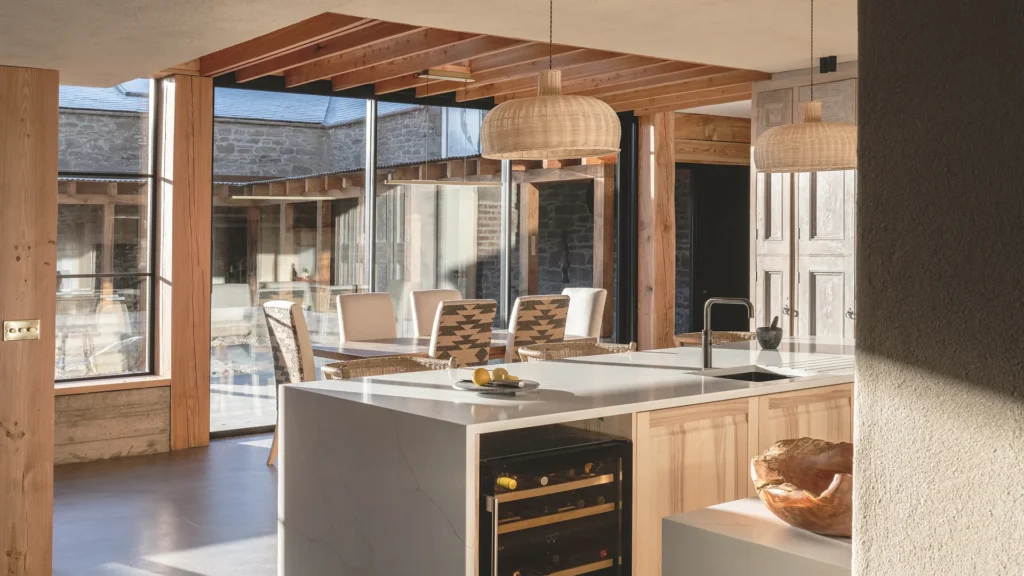
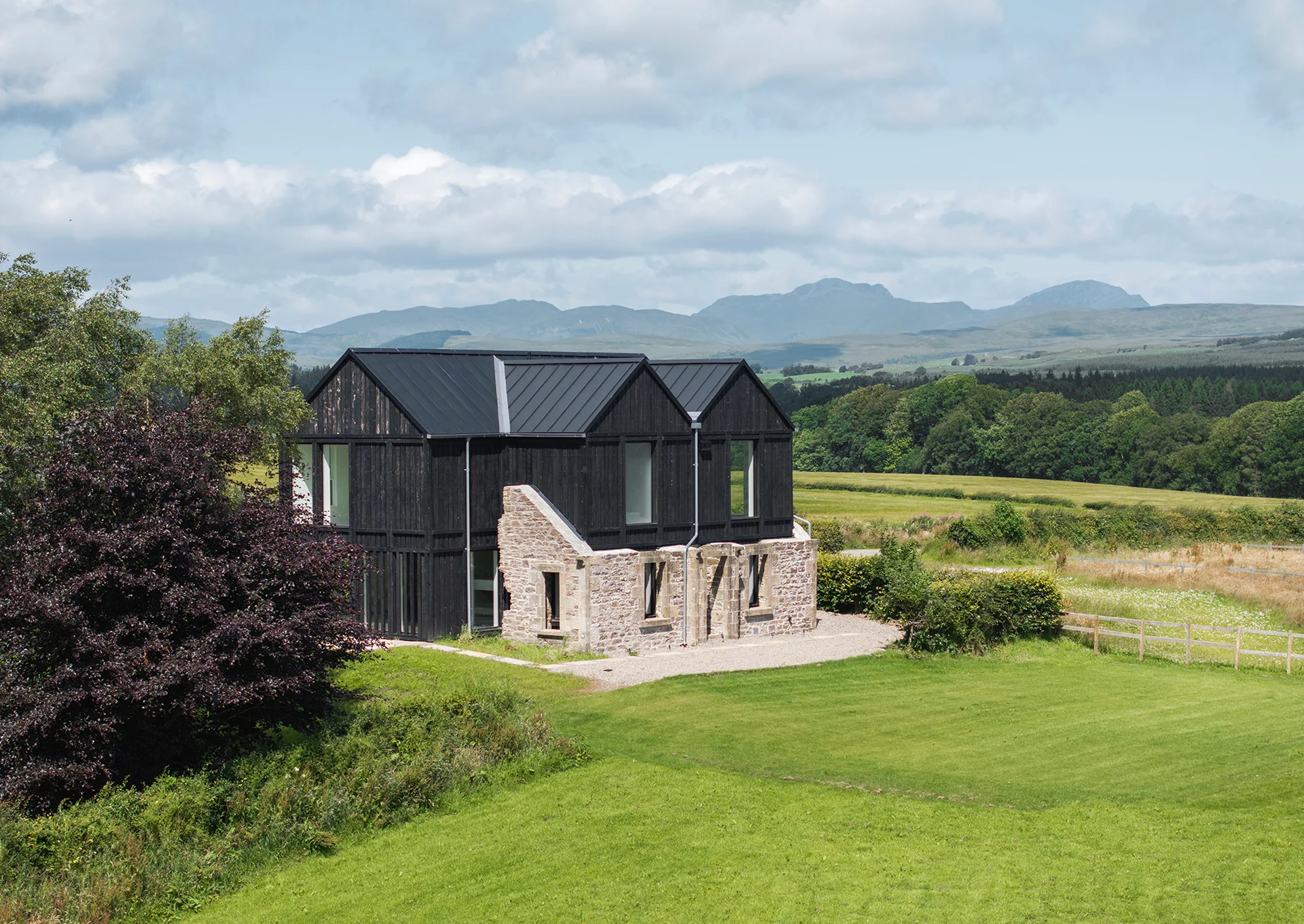
If you’ve ever watched Grand Designs and wondered how someone managed to build a striking, contemporary home in the middle of open countryside, chances are you’ve already encountered Paragraph 84 — even if you didn’t know it by name.
Paragraph 84 (formerly Paragraph 55) of the National Planning Policy Framework is the planning route that allows new isolated homes in rural locations, provided they are of exceptional quality and genuinely outstanding architectural design. It is deliberately difficult, but when successful, it enables some of the most memorable homes built in the UK.
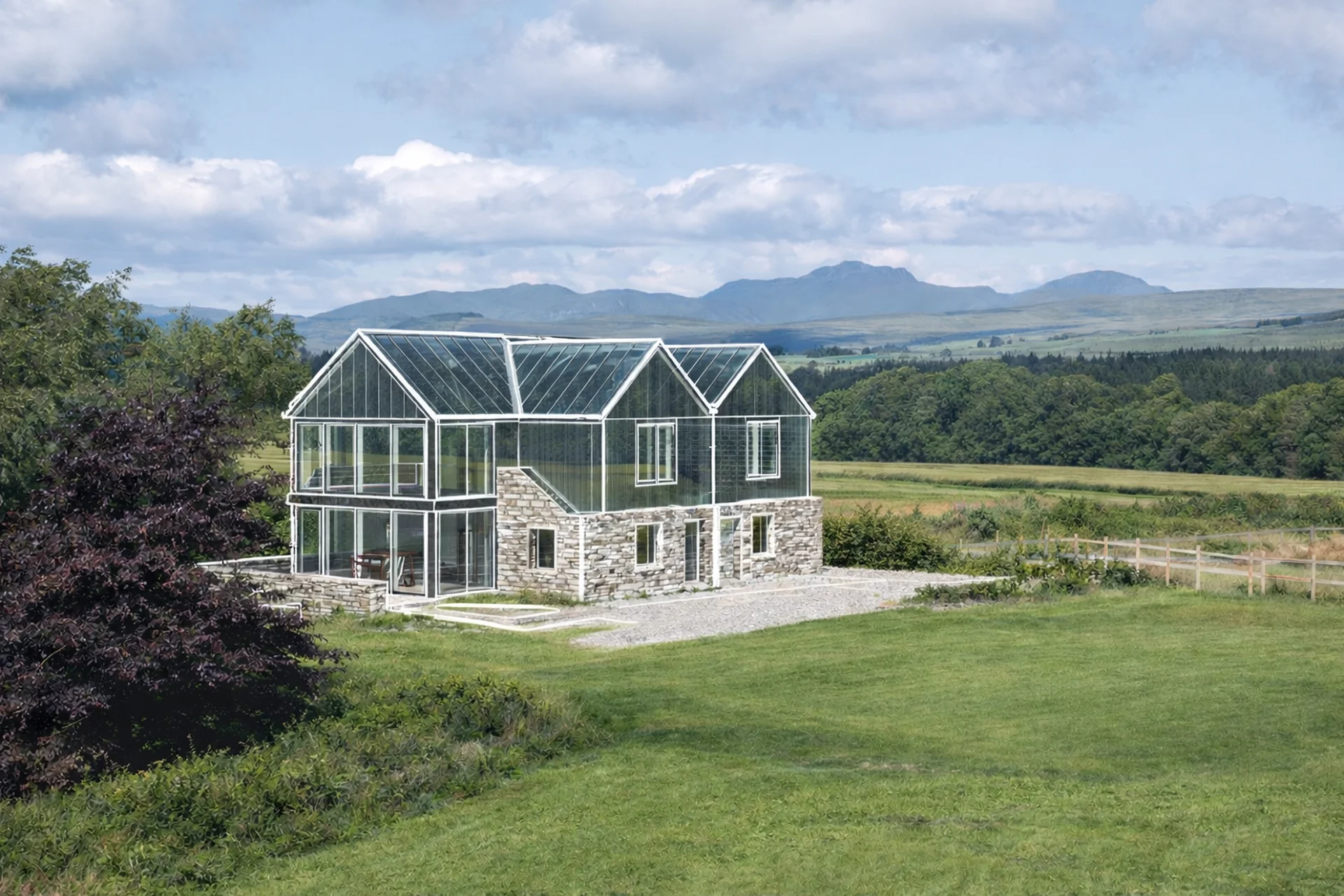
Many of the houses that define Grand Designs — the glass pavilions in rolling landscapes, the sculptural homes embedded into hillsides, the quietly confident buildings that feel inseparable from their setting — are exactly this.
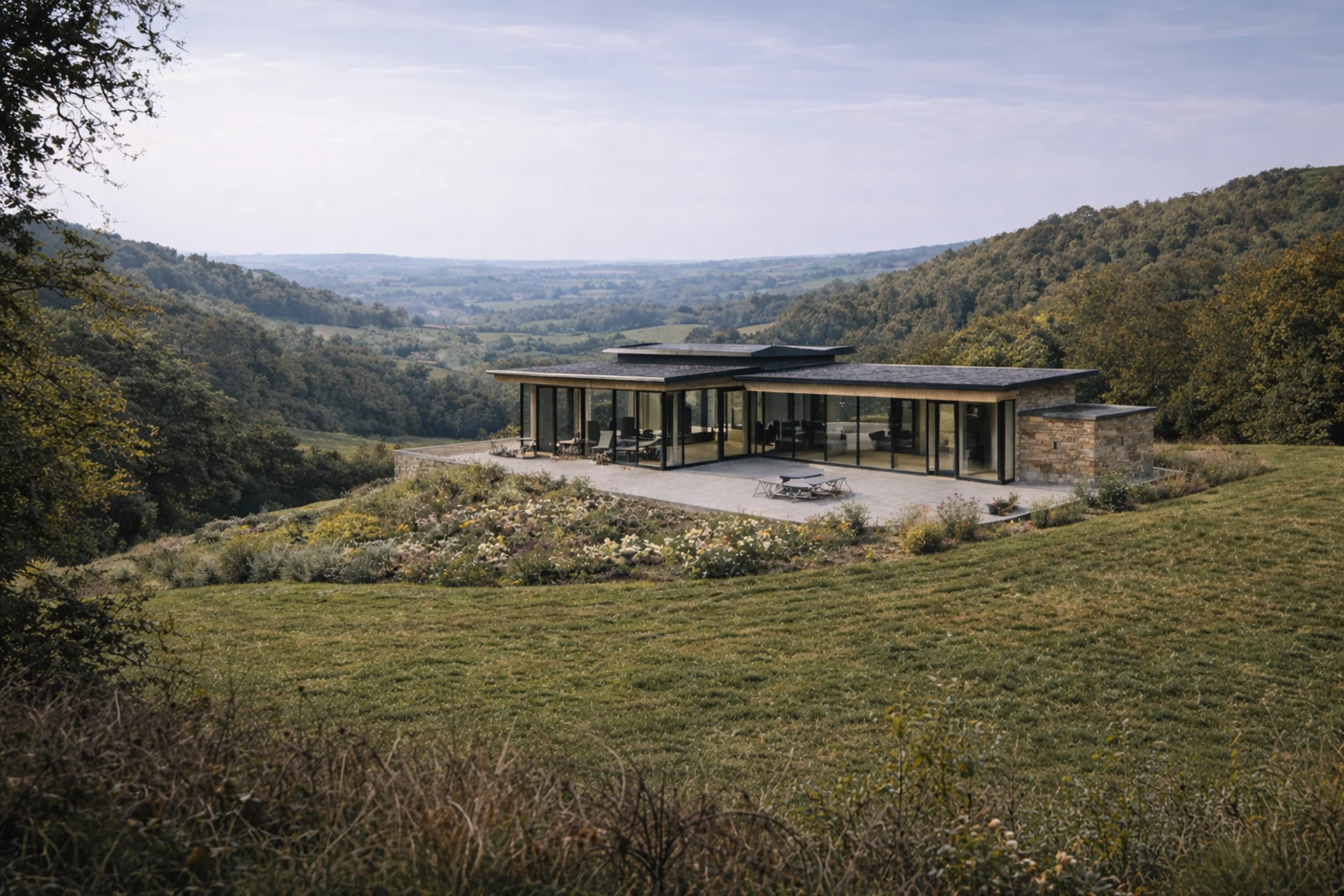
What is Paragraph 84, really?
At its core, Paragraph 84 is not about size, cost or visual drama. It is about design excellence.
To succeed, a proposal must demonstrate that it:
- Is truly outstanding or innovative
- Reflects the highest standards of architecture
- Is sensitive to its landscape setting
- Enhances its immediate environment
Crucially, this isn’t a loophole for “a nice house in the countryside”. Planning authorities expect a clear architectural idea, a strong narrative, and evidence that the building could only exist in that place.
This is why so many Paragraph 84 homes end up on television. They are inherently ambitious projects, and ambition is what makes good storytelling.
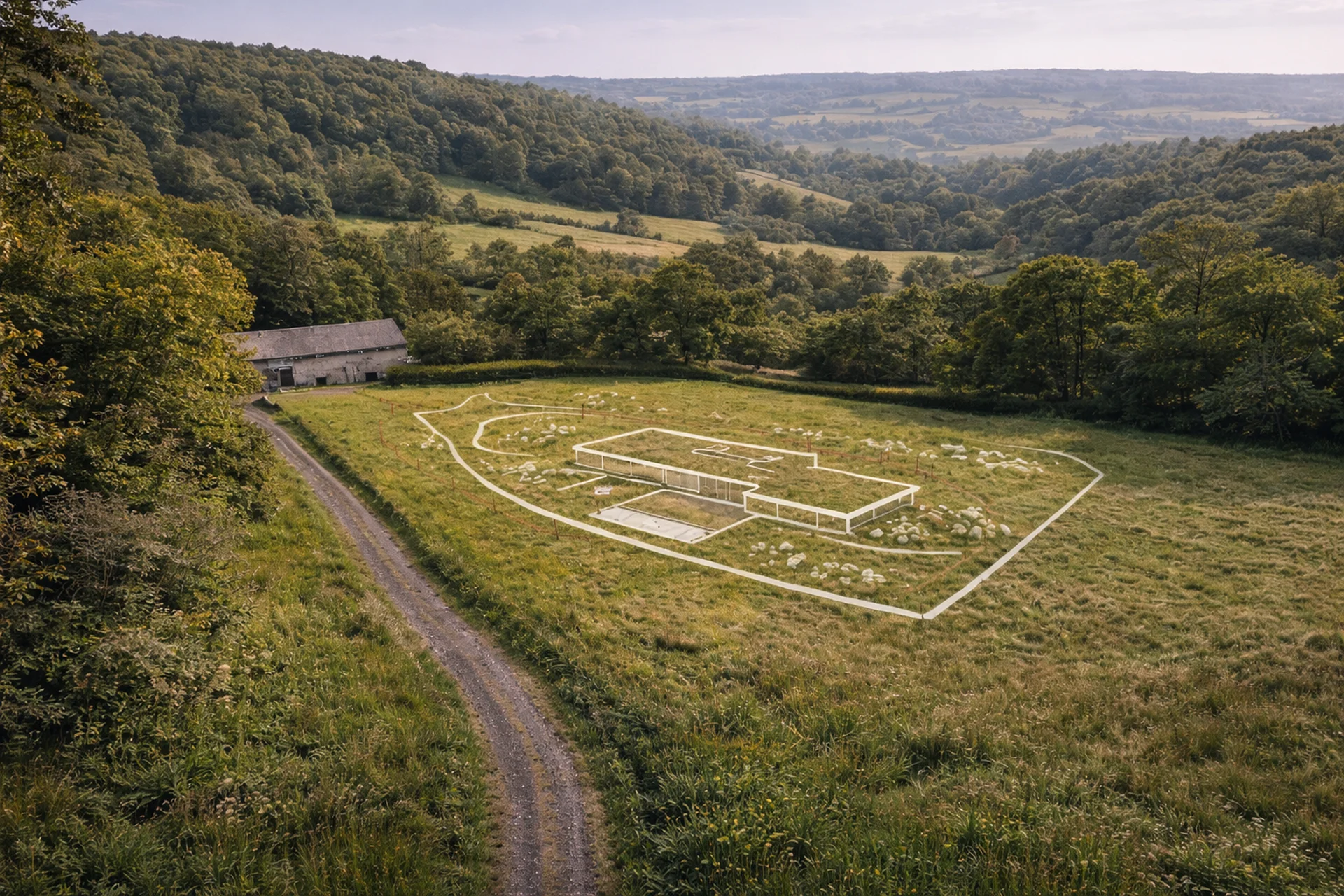
Why do Paragraph 84 homes look the way they do?
One of the common misconceptions is that Paragraph 84 houses have to be bold, glassy or overtly modern. In reality, what they have to be is considered.
Some are contemporary. Others are deeply rooted in local building traditions, using familiar forms, materials and construction techniques — just executed with unusual rigour and clarity. What they share is a sense that every decision has been made deliberately, from siting and orientation through to material choice and environmental performance.
This is where Grand Designs gets it right. Kevin McCloud often talks less about aesthetics and more about intent — why the house is there, how it responds to the land, and whether it feels inevitable rather than imposed.
The planning reality (behind the TV edit)
What Grand Designs understandably compresses is the planning journey.
A successful Paragraph 84 application typically involves:
- Early and careful site selection
- Pre-application discussions with planners
- A clear architectural vision developed from the outset
- Strong supporting material (landscape, heritage, sustainability, design statements)
- Patience
It is not uncommon for these projects to take years from first sketch to consent. But when done properly, they can unlock sites that would otherwise be considered untouchable.

Why clients pursue Paragraph 84
For many clients, Paragraph 84 isn’t about creating a “statement house”. It’s about building one meaningful home, in the right place, that will last generations.
Often the motivation is:
- A deep connection to a particular piece of land
- A desire to live lightly within a rural setting
- Frustration with generic housing options
- A belief that good design should justify itself
Paragraph 84 offers a route where design quality is not just encouraged, but required.
Our approach
At Mallett, we see Paragraph 84 projects as a long-term collaboration, not a one-off planning application. Architecture, landscape, planning strategy and buildability all need to be aligned from the beginning.
The best outcomes come when the house grows out of its context — physically, environmentally and culturally — rather than being dropped into it. When that happens, planning becomes less about argument and more about persuasion through quality.
And if it later ends up on Grand Designs? That’s a by-product, not the aim.