There’s no avoiding it — the last few years have reshaped how clients think about building.
Rising interest rates, higher material costs and general uncertainty mean that even well-planned projects are now being approached with greater caution. For many people, the question is no longer “what should we build?” but “how do we build well without overreaching?”
Across a wide range of projects, certain approaches consistently help keep costs under control — without compromising the quality or longevity of the finished building.
Designing with cost in mind from day one
Cost control rarely starts with a spreadsheet; it usually starts with the design.
Projects that perform best financially tend to prioritise space, light and proportion over unnecessary complexity.
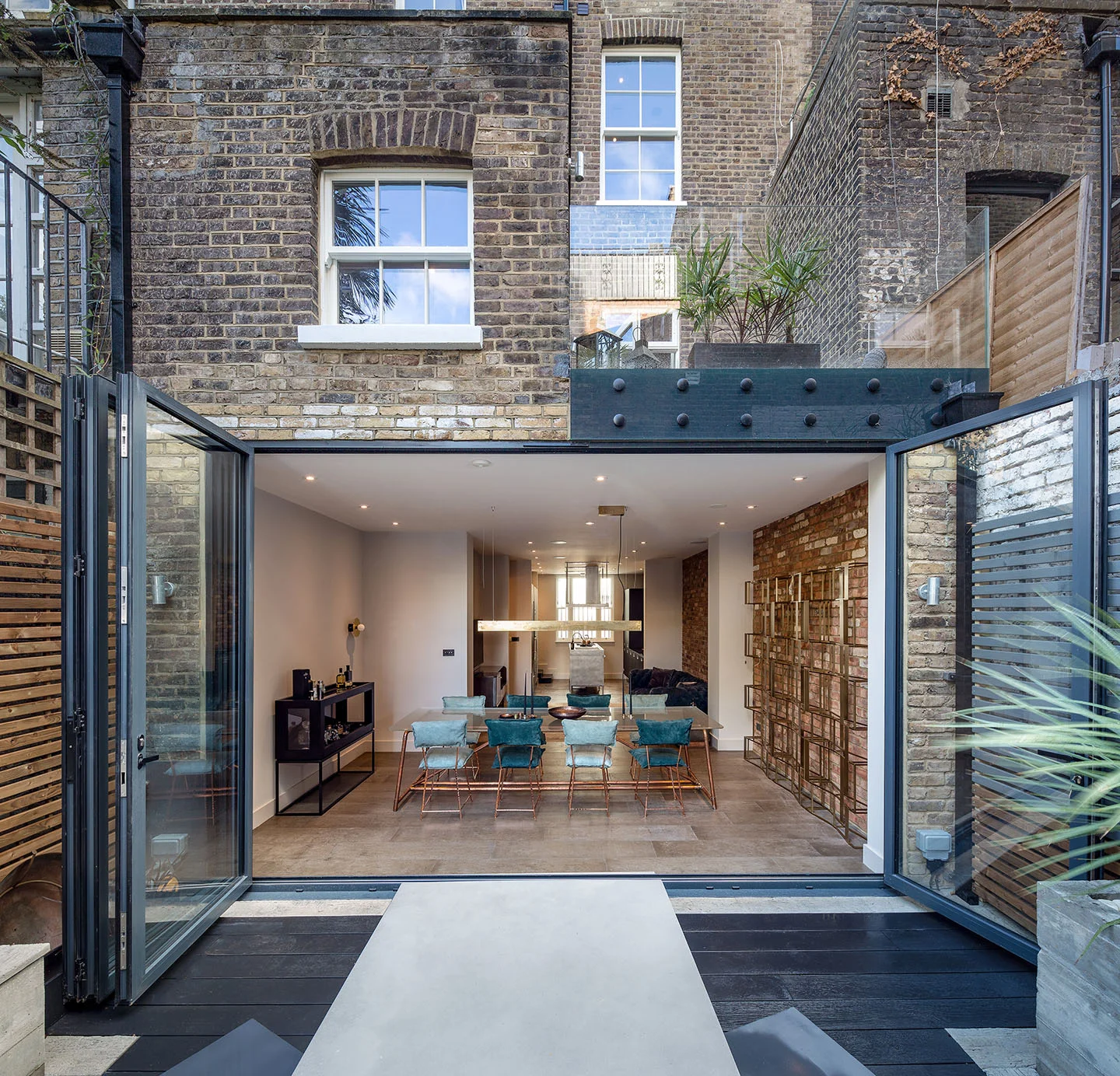
A clean footprint, consistent floor levels and, where possible, walls stacking logically above one another all help to reduce steelwork and engineering input, while limiting the kind of over-specification that can quietly inflate costs.
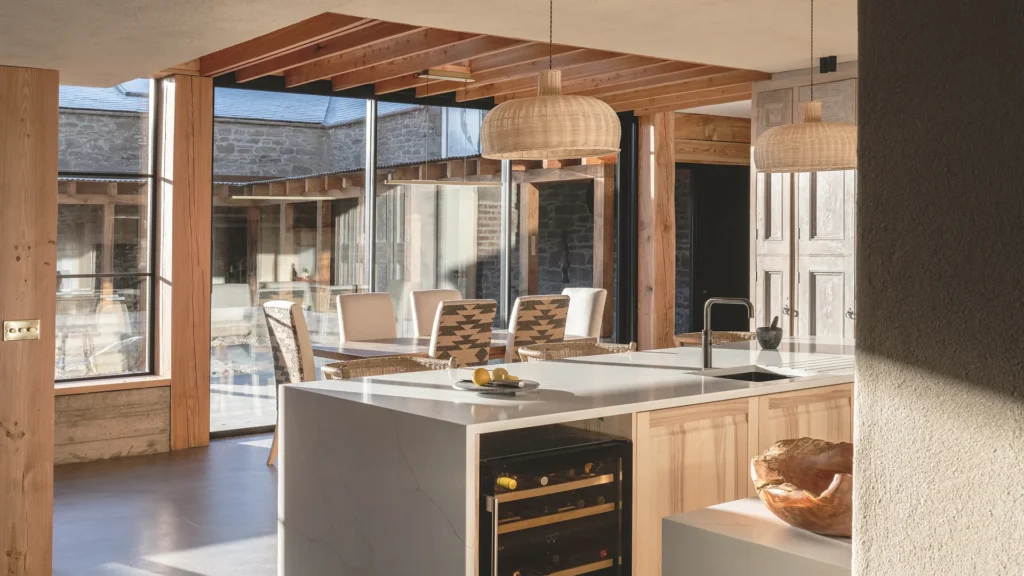
Using volume rather than area can often have a greater impact. Increasing ceiling height in key spaces — through a modest double-height room, a vaulted ceiling or a well-placed rooflight — can transform how a space feels, often at lower cost than extending the building footprint or adding additional rooms.
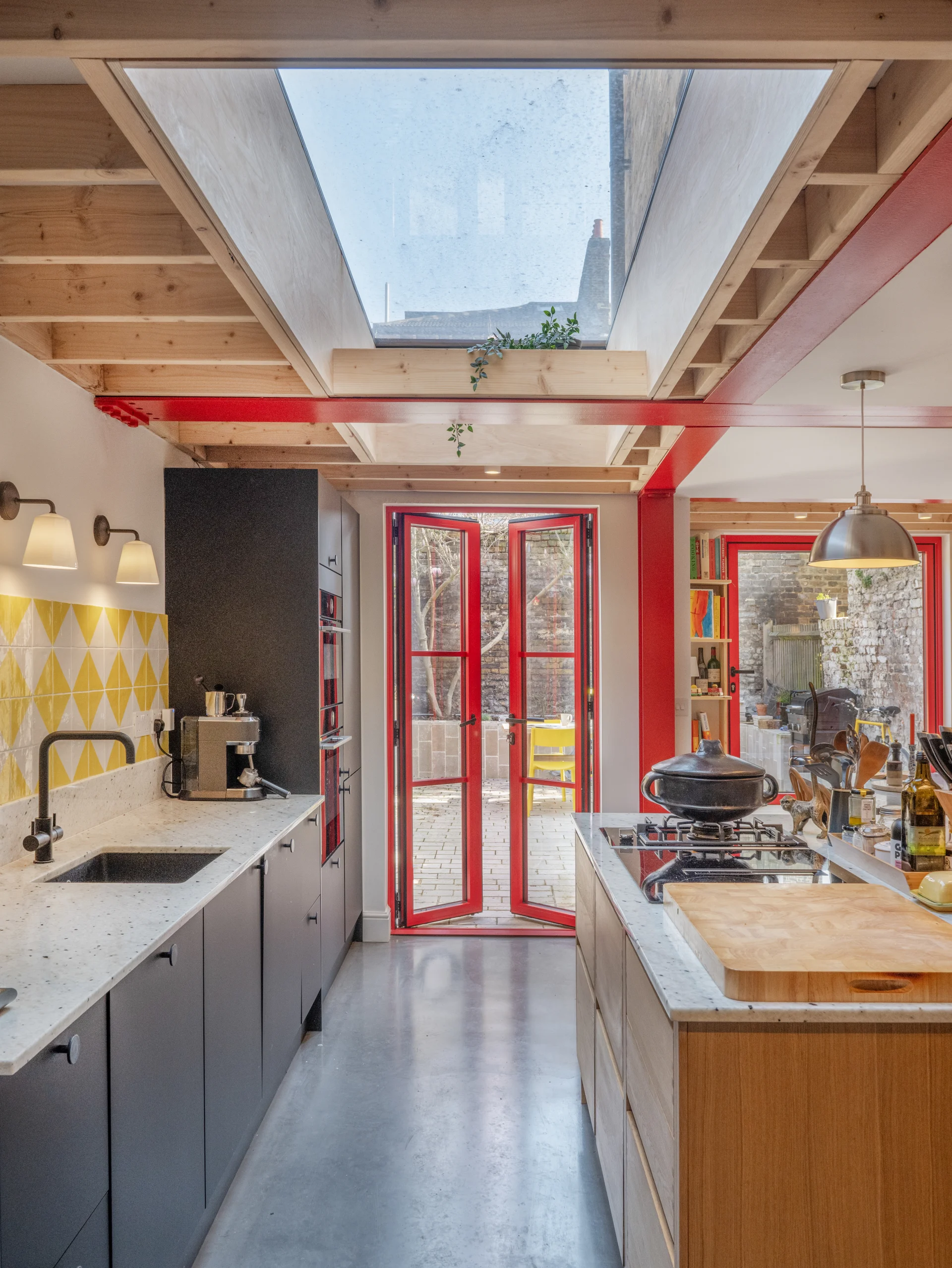
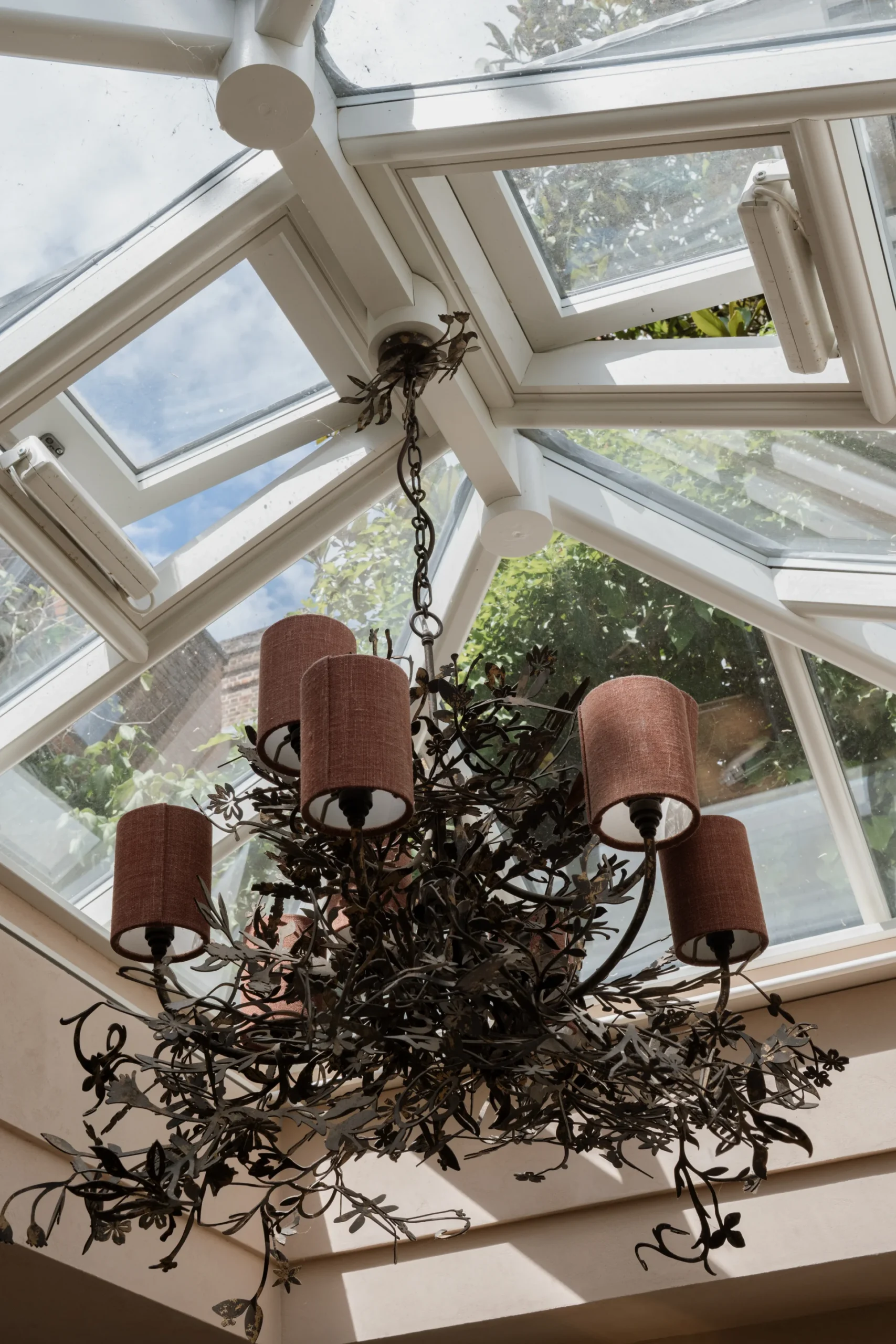
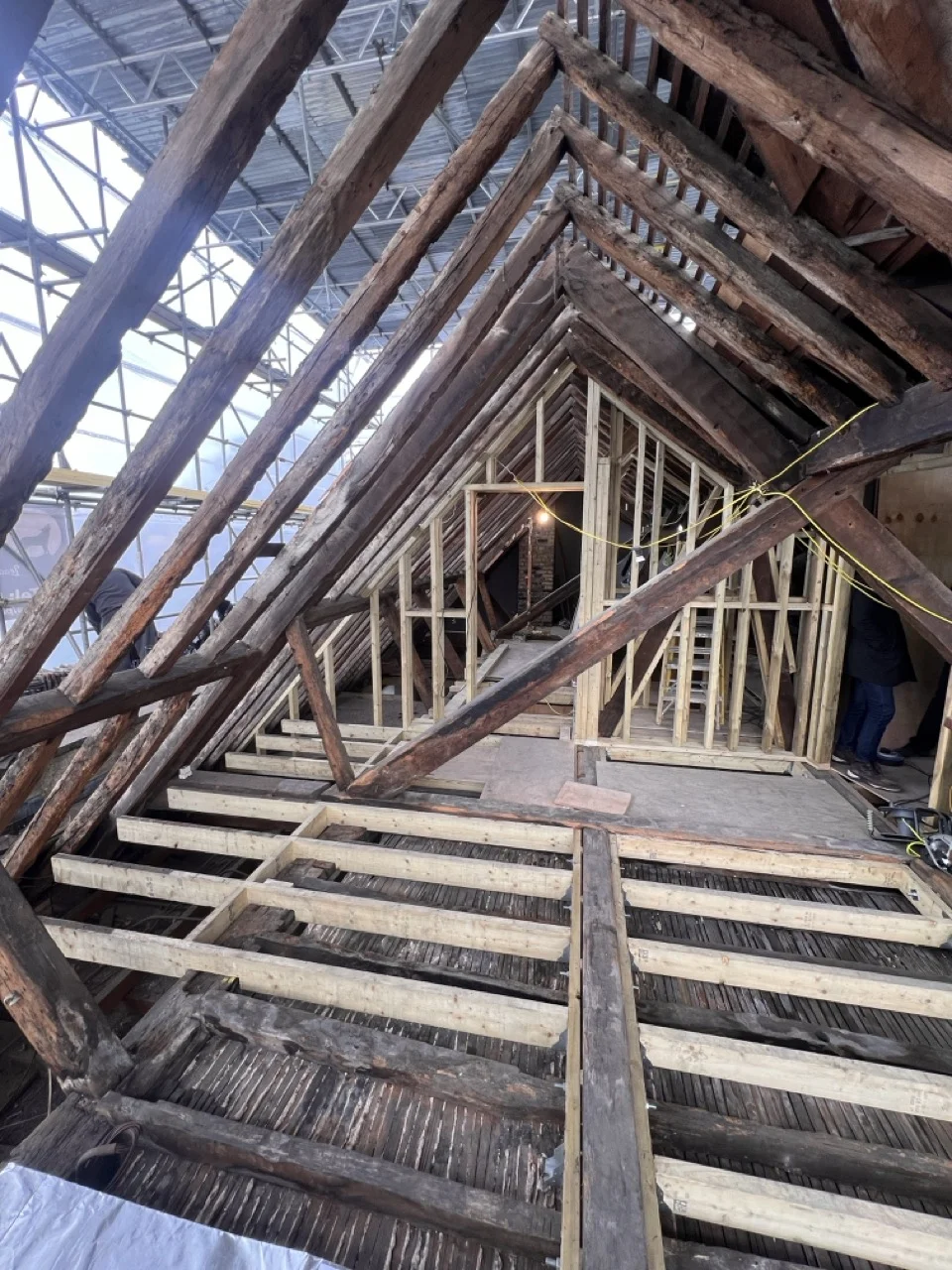
Roof form also plays an important role. Complex geometries with multiple hips, valleys and changes in pitch quickly add cost and risk. Simpler roof forms can still feel generous and characterful, while creating stronger internal spaces such as clean vaulted ceilings or usable attic volumes rather than awkward leftover corners.
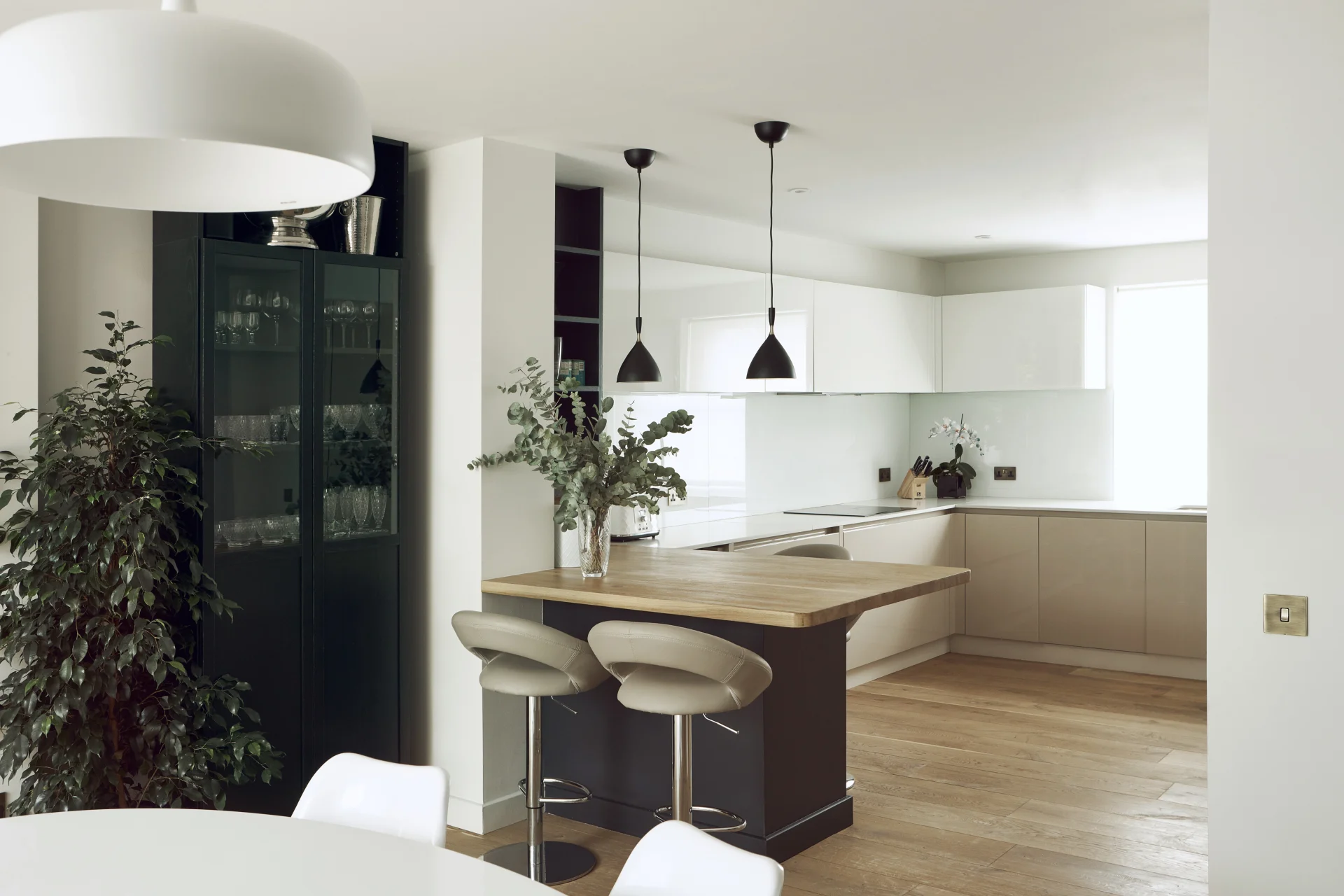
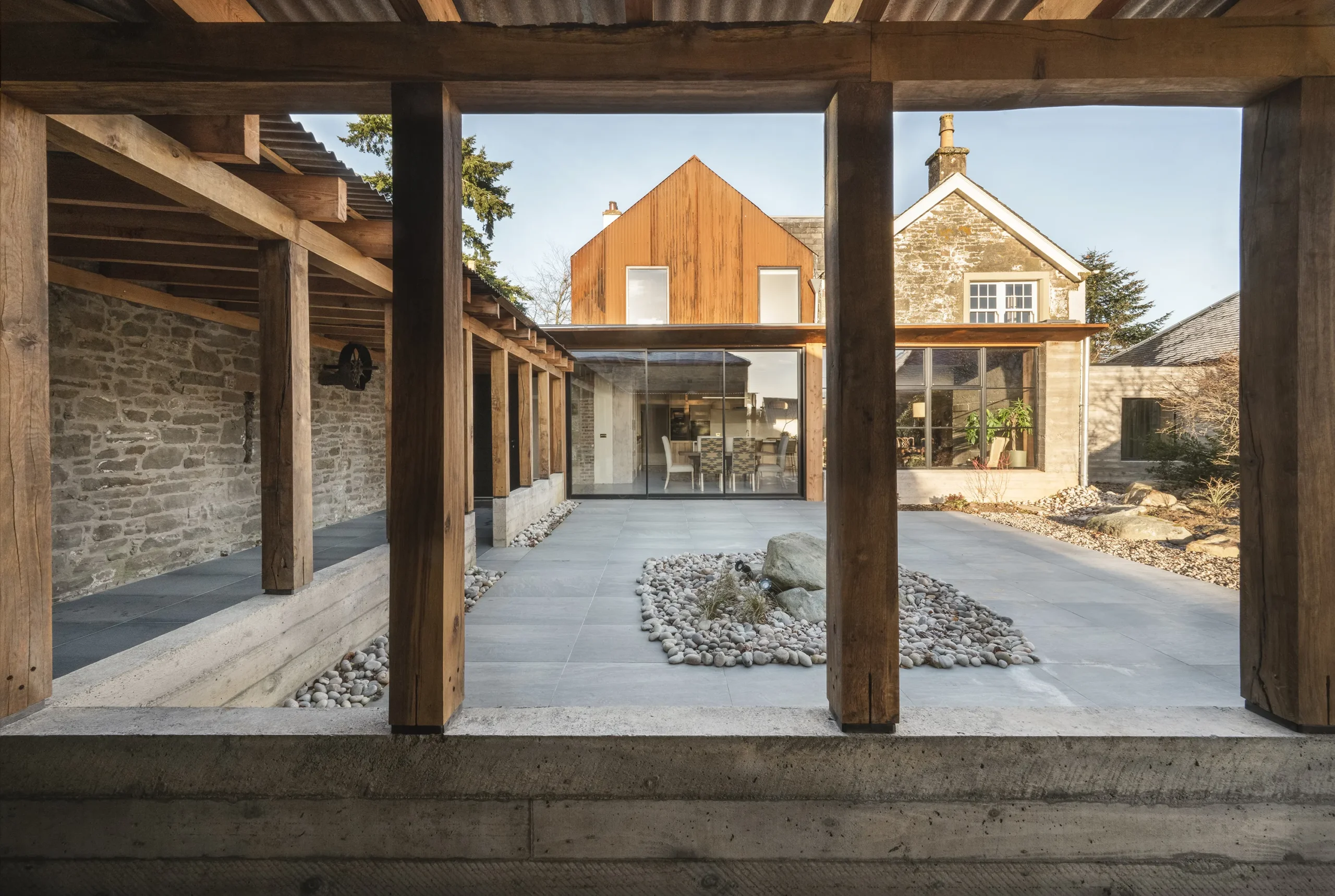
Material choice benefits from the same restraint. Schemes often feel calmer and more resolved when materials are used deliberately and consistently. A single flooring type across the ground floor, or a coherent joinery language used throughout, reduces wastage and enables economies of scale.
Daylight is often better improved by where window openings are placed rather than sheer quantity or complexity.
These are just a few examples of a considered design.
Early collaboration makes a difference
One of the most common causes of rising costs is late information.
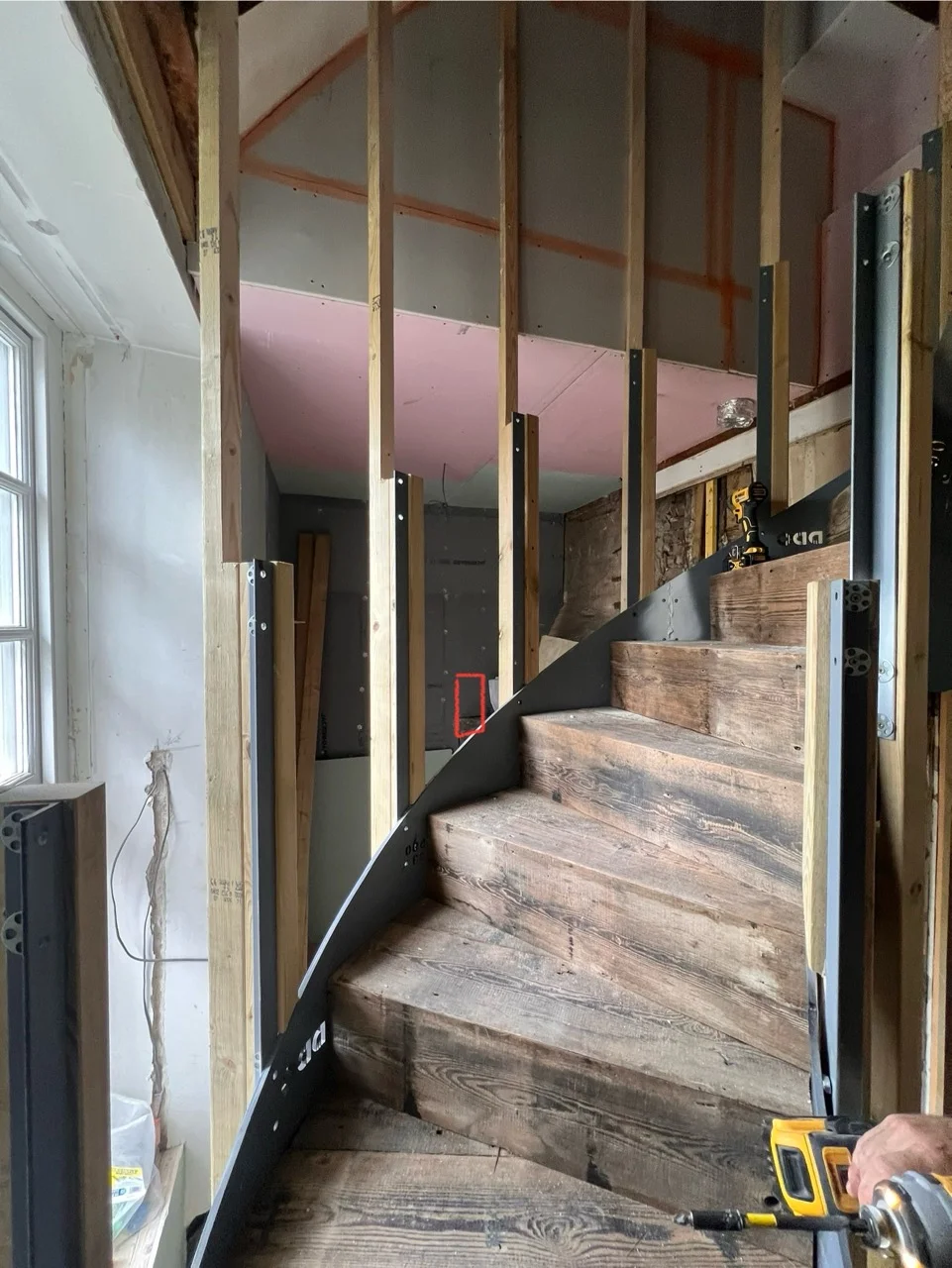
Projects benefit when consultants and specialist trades are involved early enough for buildability, sequencing and realistic pricing to influence the design. This early understanding helps shape proposals around what can genuinely be delivered, rather than discovering cost constraints only once the design is complete.
Early conversations almost always reduce surprises later.
Using materials intelligently — and responsibly
Good buildings rarely rely on expensive materials everywhere.
Better value is often achieved by understanding where higher-quality finishes will genuinely be experienced, and where simpler, robust solutions are entirely appropriate. Alongside this, reusing and recycling materials already on site can have a meaningful impact on costs.
Materials sent to reclaimed yards — timber, bricks, fittings or ironmongery — often reduce waste removal charges, even where there is no direct financial return. Scrap metals, when separated properly, can also help offset site expenses.
These small decisions quickly add up over the life of a project.
Transparency and flexibility in procurement
In uncertain market conditions, flexibility can be more valuable than certainty on paper.
Procurement routes that allow visibility of costs as they arise often make it easier to respond sensibly — whether that means adjusting scope, re-prioritising spending or responding to changing circumstances without unnecessary contractual friction.
Cost Plus projects retain the ability to adapt and tend to stay calmer — and more controlled — overall. See Cost Plus Journal for more detail.
Honest conversations throughout the process
Perhaps most importantly, successful projects tend to be built on open and pragmatic discussions.
Not every idea needs to be pursued. Not every upgrade represents good value. Clear conversations early help decisions be made calmly as a project develops, rather than being forced later by time pressure or rising costs.
Good outcomes tend to come from understanding where money will genuinely be felt — in the spaces used every day, the comfort of the building and its long-term durability.