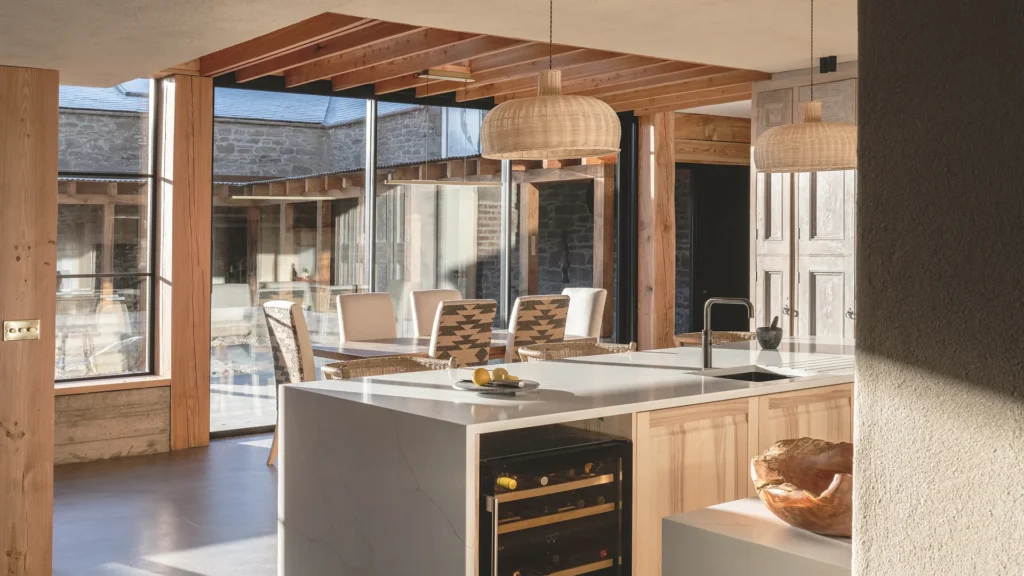
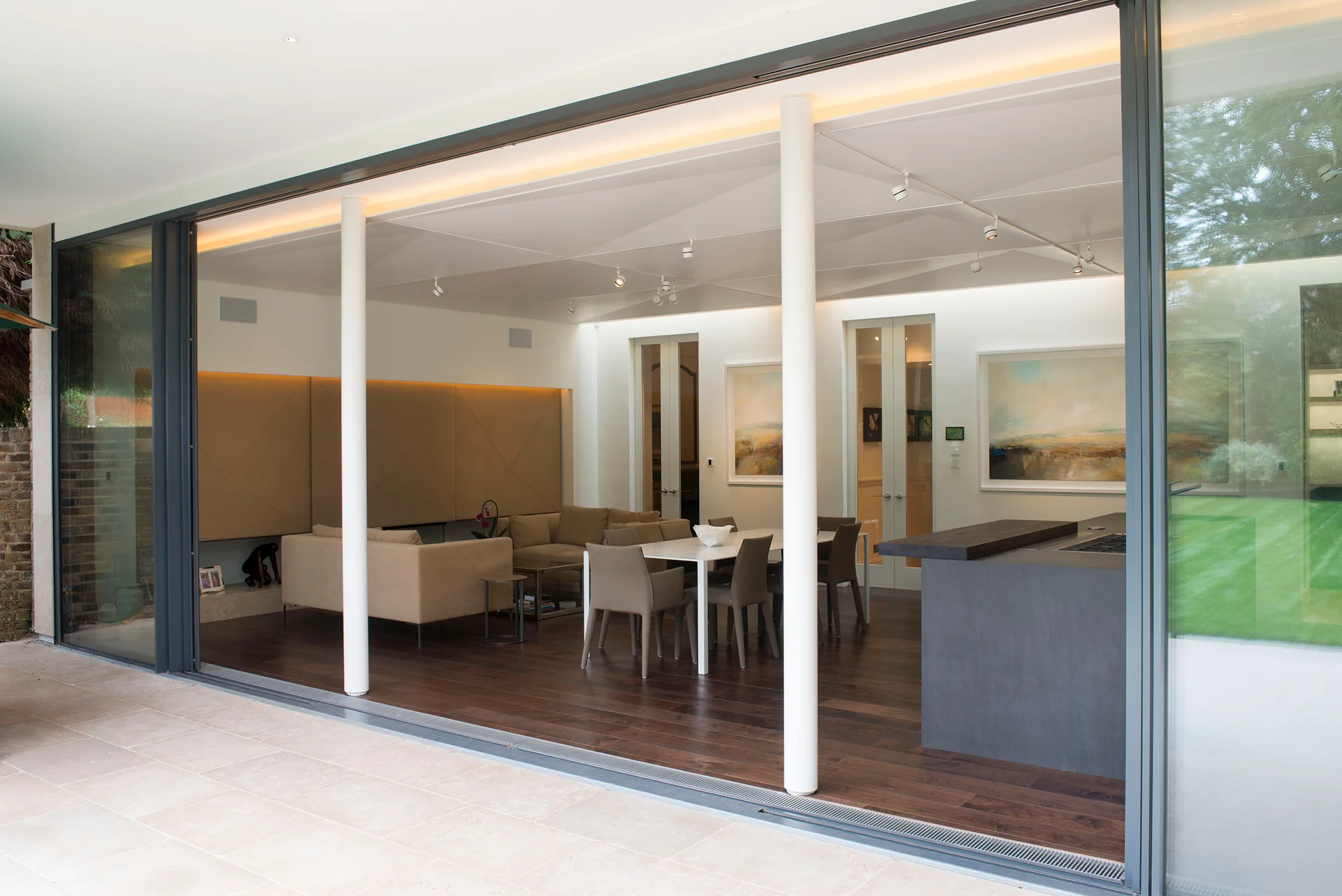
Let’s be honest—when you’re dreaming about your new home, you’re probably thinking about that perfect kitchen island or the views from the master bedroom, not heat pump coefficients or ventilation ducts. We get it. But here’s the thing: the invisible systems working behind your walls can make or break how your home actually feels to live in. Not to mention what it costs to run.
Over the years, we’ve learned that getting the energy systems right isn’t about compromise—it’s about creating homes that look beautiful, feel incredible, and don’t cost a fortune to heat. So we thought we’d share some of the insights we’ve picked up along the way.

Tip 1: Consider Air Source Heat Pumps—They've Come a Long Way
If you’ve done any reading about sustainable building, you’ve probably stumbled across heat pumps. And maybe you’ve heard some of the old concerns—”they don’t work when it’s cold” or “they’re noisy” or “you need massive radiators everywhere.”
Here’s the reality: air source heat pumps (ASHPs) have evolved dramatically in recent years. Modern units can pull heat from the air even when it’s well below freezing, and they do it remarkably efficiently. We’re talking Coefficients of Performance (CoP) of 3.5 or higher—meaning for every unit of electricity you put in, you get 3.5 units of heat out. That’s pretty impressive.
Where They Work Best
The truth is, ASHPs work almost anywhere in the UK these days, but their sweet spot is definitely in milder climates. Down on the south coast, they’re absolutely brilliant—maximum efficiency with straightforward installation. But we’ve also had great success with them in tougher conditions.
In Scotland and the north, you just need to be a bit more selective about which units you specify. The newer models designed for colder climates have enhanced defrost cycles and clever compressor technology that keeps them running efficiently even when temperatures drop. The Panasonic J Series units we installed at our Black and Stone project, for example, maintain over 70% of their capacity even at -15°C. A few years ago, that would have been unthinkable.
Our Experience
We’ve installed over 25 Panasonic ASHP units across various projects in the last five years—Old Larch, Untouched Forest, Black and Stone, and others. What’s impressed us most isn’t just the efficiency (though Panasonic’s latest Aquarea models are around 40% more efficient than their units from five years ago), it’s the reliability and how quietly they run. Plus, they’re much easier to integrate with smart home systems now, which clients really appreciate.
Tip 2: Don't Overlook Ground Source Heat Pumps for the Right Project
Ground source heat pumps (GSHPs) are the overachievers of the heat pump world. They tap into the relatively stable temperatures underground through buried pipe loops, and because the ground temperature doesn’t swing wildly like air temperature does, they’re incredibly consistent performers.
When They Make Sense
We’ll be straight with you: GSHPs require more initial investment than air source systems. But in the right circumstances, they’re absolutely worth considering:
- If you’ve got the space: Large rural properties where you can lay extensive horizontal ground loops, or where you can drill boreholes cost-effectively, are ideal candidates.
- If you’re thinking long-term: Yes, the upfront cost is higher, but CoPs often exceed 4.0, maintenance requirements are lower, and these systems last 20+ years. The numbers work out.
- If you’re in a really cold area: In extreme cold where air source efficiency might dip during winter peaks, ground source just keeps humming along regardless of what’s happening above ground.
The Rusty Oak Story
Our Rusty Oak project is a perfect example of when GSHP makes sense. It was a substantial conversion of an old agricultural building—loads of character, but desperately in need of a proper heating system to replace the ancient oil-fired setup.
We installed four 200-meter ground loops(yes, it was a significant undertaking), but paired with roof-mounted solar PV and battery storage, the system has slashed expected energy costs by 78% compared to what they were paying for oil heating.
The interesting challenge was weaving modern systems into a historic building structure. We ran underfloor heating pipework throughout, connected to the ground source heat pump, all within a new insulated floor structure that kept the building’s character intact while delivering proper 21st-century performance. The clients couldn’t be happier with how it performs.
Tip 3: In London? Heat Pumps Can Work Beautifully (Even in Listed Buildings)
We know what you’re thinking—”Heat pumps are great for country houses with acres of land, but what about my London townhouse?” This is a question we hear a lot, and the answer might surprise you.
The Richmond Project
One of our favourite examples is a Grade I listed renovation we completed in Richmond. Now, Grade I listed means serious planning constraints—you can’t just start bolting things to walls or ripping out historic features. But we were determined to drag the heating system into the current century.
Here’s what we did: we successfully sited two air source heat pumps on the traditional London roof. Not the most obvious location, but it worked perfectly—out of sight from street level, no impact on the building’s character, and actually pretty straightforward to install and crucially it permitted excellent air circulation.
Inside, we upgraded the existing column radiators and incorporated a backup electric boiler for those rare times when you need an extra boost or during maintenance.
The real secret sauce? We also improved the ground and loft insulation—nothing that affected the building’s historic fabric, just sensible, sensitive upgrades that made a massive difference. The result was incredibly effective. The clients went from eye-watering gas bills to a system that’s efficient, reliable, and actually adds value to the property.
The London Lesson
The takeaway here is that space constraints or heritage considerations don’t automatically rule out heat pumps. It just takes a bit more creativity in the design and placement. Roofs, side returns, small courtyards—there are often options you wouldn’t immediately think of.

Tip 4: Pair Your Heat Pump with MVHR—They're Perfect Partners
Here’s something that might not be obvious: heat pumps work most efficiently when delivering gentle, consistent heat rather than trying to rapidly crank up temperatures. This makes them absolutely perfect partners for Mechanical Ventilation with Heat Recovery (MVHR) systems.
What’s MVHR, Actually?
Think of MVHR as your home’s lungs. It continuously extracts stale air from wet rooms (kitchens, bathrooms) and supplies fresh, filtered air to living spaces. But here’s the clever bit: as the stale air leaves, it passes through a heat exchanger that transfers its warmth to the incoming fresh air. Modern systems recover over 90% of that heat.
So you get constant fresh air, brilliant indoor air quality, and you’re not throwing heat out the window. Literally.
The Quiet Revolution
MVHR has had its own quiet revolution recently. Systems have become more compact, way less expensive (about 40% cheaper than a decade ago), and significantly more efficient. What used to be a luxury reserved for high-end eco-builds is now a practical option for most quality new builds and major renovations.
Entry-level systems for average-sized homes start around £4,500 installed, with top-tier systems for larger properties typically around £10,000. When you factor in the lifetime energy savings and improved comfort, it’s genuinely compelling. If considering some options for cooling your house, there are also some clever applications where MVHR combined with a heat pump operating in reverse can provide nice ambient cooling in summer months.
The Airtightness Connection
Here’s where it all comes together: MVHR systems perform brilliantly when your building envelope is properly airtight. We target airtightness levels well beyond building regulations, creating homes that are virtually draft-free.
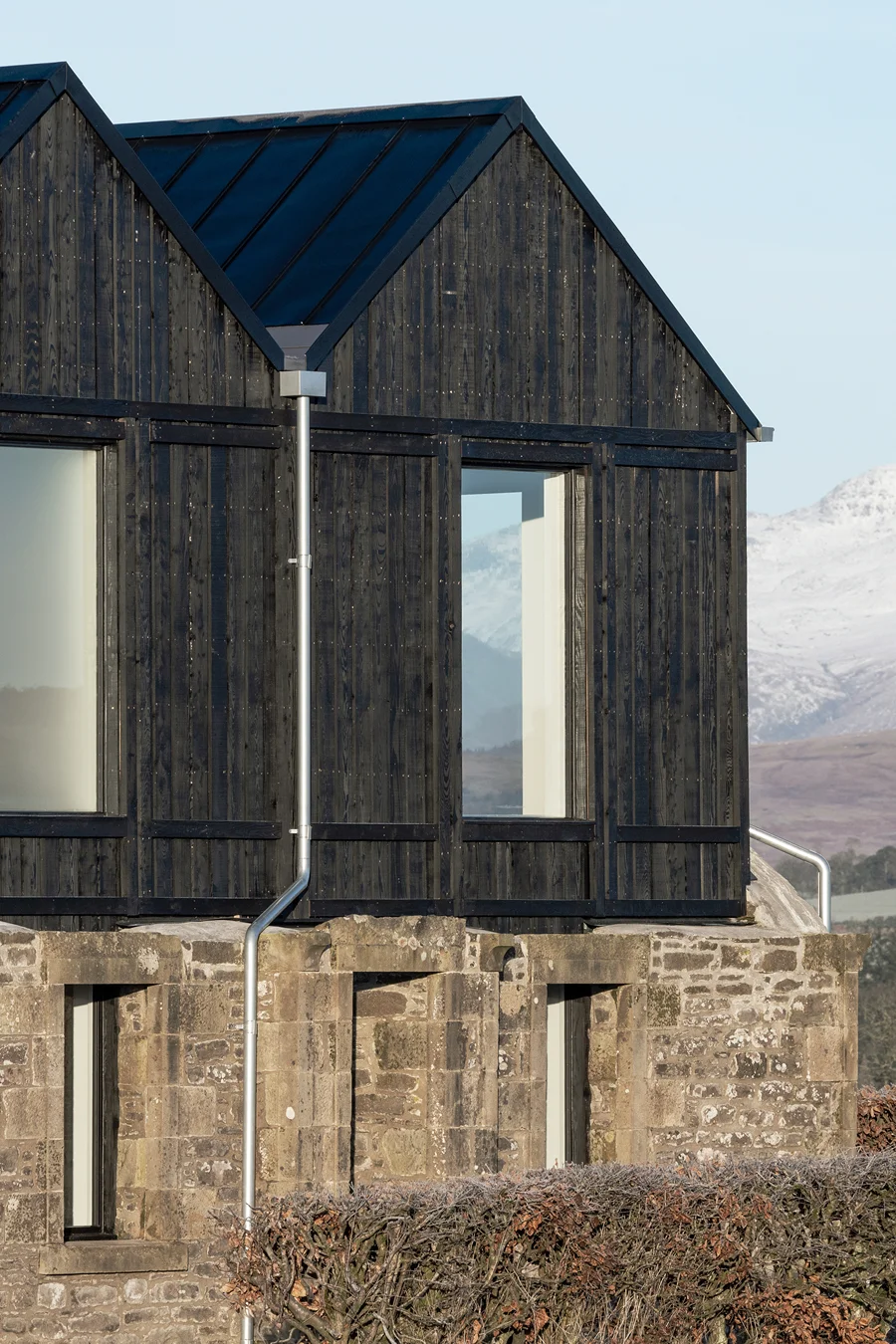
At Black and Stone, we achieved 0.8 air changes per hour at 50Pa—about six times better than regulations require. Combine that exceptional airtightness with MVHR and a Panasonic air source heat pump, and you’ve got a home that maintains constant comfort with remarkably low energy input. No cold spots near windows, no drafts, just steady, even warmth.

Tip 5: Make the Most of Your Roof—Solar PV is Better Than Ever
The evolution of solar photovoltaic technology has been remarkable. Panels are more efficient, costs have plummeted, and the planning landscape has shifted. If you’ve got a suitable roof, it’s increasingly difficult to argue against solar PV.
Planning Has Become Friendlier
Planning authorities have genuinely warmed to well-designed solar installations. There’s recognition now that they’re important for meeting carbon reduction targets, even in sensitive areas.
For listed buildings or conservation areas we’ve developed approaches that minimize visual impact while still capturing solar energy. Roof-integrated systems, carefully positioned arrays that stay hidden from key viewpoints—there are ways to make it work.
Add Battery Storage for the Win
Here’s the problem with solar on its own: generation peaks midday when you’re probably out, and your demand peaks in the evening when the sun’s gone. Battery storage fixes this mismatch beautifully.
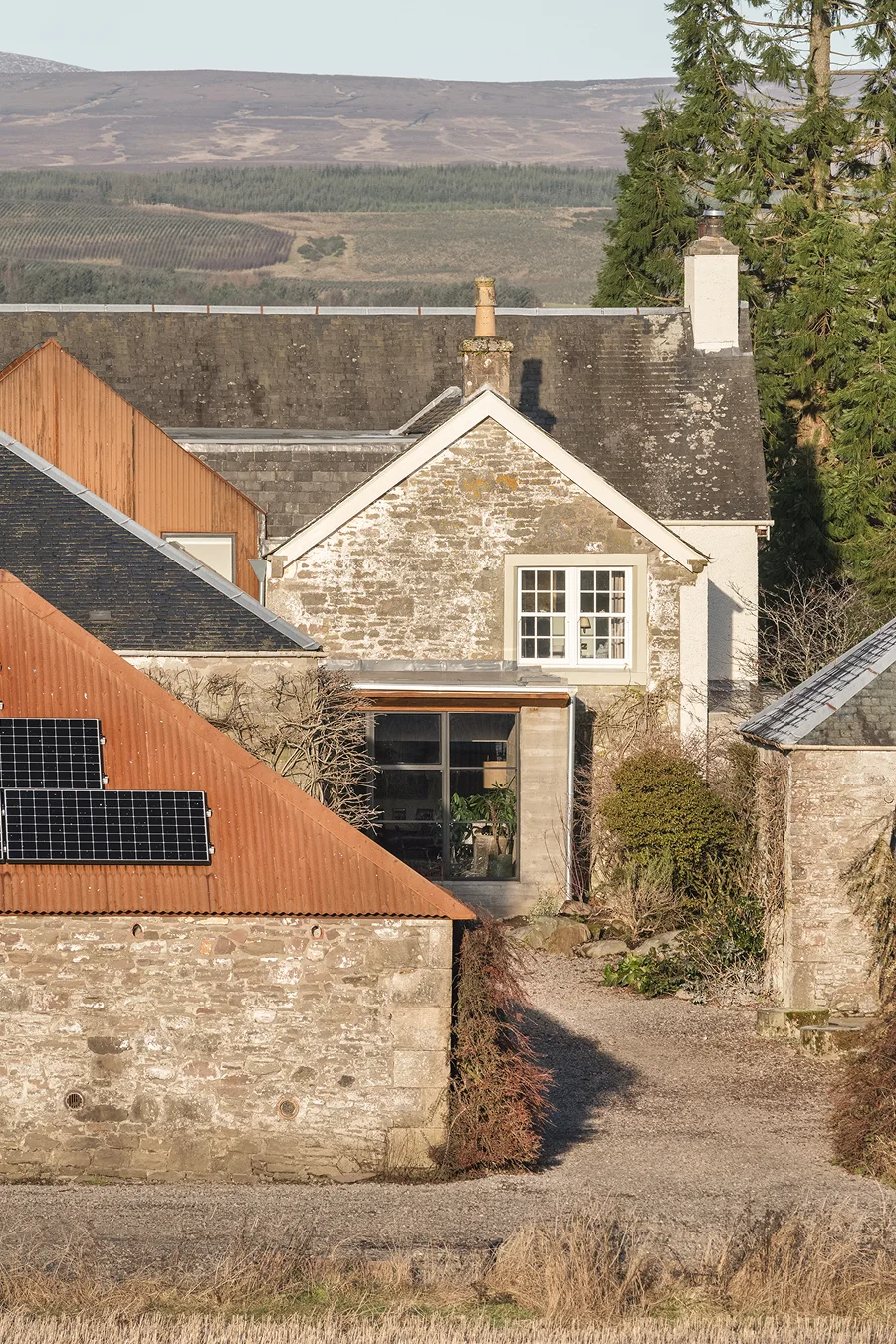
We’ve installed Tesla Powerwall units in several projects, and they transform the equation. At Rusty Oak, the combination of substantial solar PV and battery storage means the property runs almost independently during summer. In winter, the batteries shift electricity consumption to cheaper off-peak hours.
Got an electric vehicle? Even better. At Rusty Oak, we designed an integrated system that charges the owner’s EV primarily from solar during the day, with battery backup for cloudy periods. It’s brilliant—driving on sunshine.
Tip 6: Think About the Whole System, Not Individual Components
What really makes these technologies sing is integration. A heat pump on its own is good. A heat pump with MVHR is better. Add solar PV and battery storage? Now we’re talking.
Planning Makes the Difference
The key is thinking about these systems from the earliest design stages, not bolting them on at the end. When we’re designing, we’re constantly considering:
- What is the most effective method of delivering heat to each area of the house?
- How do we orient the roof to maximize solar potential?
- Where should we locate service spaces to keep ductwork and pipework runs efficient?
- How do we balance window placement for natural light without compromising thermal performance?
- Where can we incorporate thermal mass to complement the heating system?
- What floor construction will work best for underfloor heating distribution?
Tip 7: Balance Upfront Costs with Long-Term Performance
We’d love to tell you that all these amazing technologies are cheaper than conventional systems. They’re not—at least not upfront. But here’s what matters: the lifetime equation.
How We Help Clients Decide
When we’re working through options, we consider:
- Available space: Do you have land for ground source, or are we working with an urban site where air source makes more sense?
- Budget realities: Both ASHPs and GSHPs qualify for government incentives through schemes like the Boiler Upgrade Scheme, but there’s still a significant cost difference in initial installation.
- Property characteristics: New builds can integrate either system relatively easily. Retrofits often favour air source due to simpler installation.
- Geological factors: Rocky terrain or high water tables can complicate ground source installations and bump up costs.
- Noise sensitivity: Modern air source pumps are much quieter than earlier generations, but if absolute silence is paramount, having ground source components underground gives you an edge.
For every project, we provide clear information about initial investment versus conventional systems, expected running costs and savings, available government incentives, maintenance requirements, and environmental benefits. No hidden surprises.
Bringing It All Together: Integrated Design
This is where everything we’ve talked about comes together. At Mallett, we don’t think about heating systems, ventilation systems, and power generation as separate boxes to tick. We think about how you’re going to live in your home and how all these elements can work together to make that life better.
It Doesn’t Constrain Design—It Enhances It
Here’s what some people worry about: “If we do all this technical stuff, will it compromise how the house looks?”
Honestly? No. Modern heat pumps don’t need huge radiators or ugly indoor units taking up space. MVHR systems tuck discretely into ceiling voids. Solar PV integrates seamlessly into roof designs. You get a home that looks exactly as you envision it, but performs far better than traditional construction.
The result is homes that are quieter, more comfortable, healthier to live in, and dramatically less expensive to run. That’s not compromise—that’s having your cake and eating it too.

The Mallett Approach to Energy Systems
Our approach always starts with understanding how you actually live. Do you work from home? Have an electric vehicle? Prioritize absolute comfort, maximum savings, or the sweet spot between the two?
Then we analyse your site’s specific opportunities and constraints—solar access, ground conditions, local climate patterns, planning restrictions. This isn’t about pushing one solution for every project; it’s about finding what works for your project.
Whether you’re planning a cutting-edge new build with every green technology available, a sensitive retrofit of a heritage property, or a London townhouse where space is tight, we can develop an energy strategy that fits your specific context and goals.
Ready to Explore Your Options?
We’d love to show you how these technologies can be beautifully integrated into your project while delivering performance that will still be impressing you decades from now. Because at the end of the day, that’s what great design should do—work brilliantly, last beautifully, and make your daily life better.
Get in touch, and let’s talk about what’s possible for your home.