Long before we notice individual materials or architectural details, we notice the quality of light within a space.
Natural light changes throughout the day, across the seasons and with the weather. It reveals texture, emphasises proportion and influences how we experience a room. A modest interior can feel generous when daylight is carefully introduced, while a larger room can feel surprisingly constrained if light, views and the relationship between spaces have not been fully considered.
For us, designing with natural light is not simply about introducing more glazing. It is about understanding how a building sits within its landscape, how its spaces connect and how daylight can support everyday life.
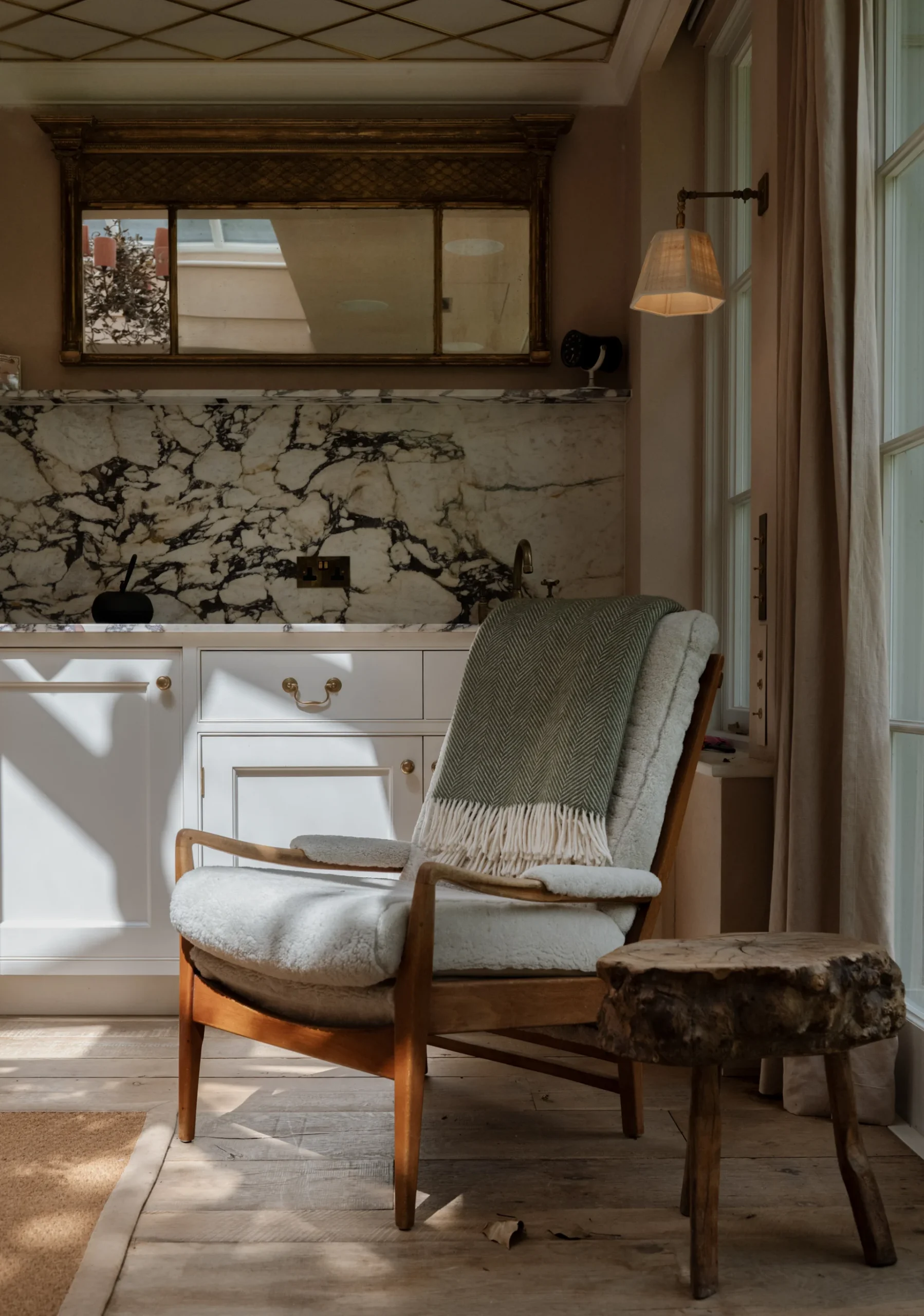
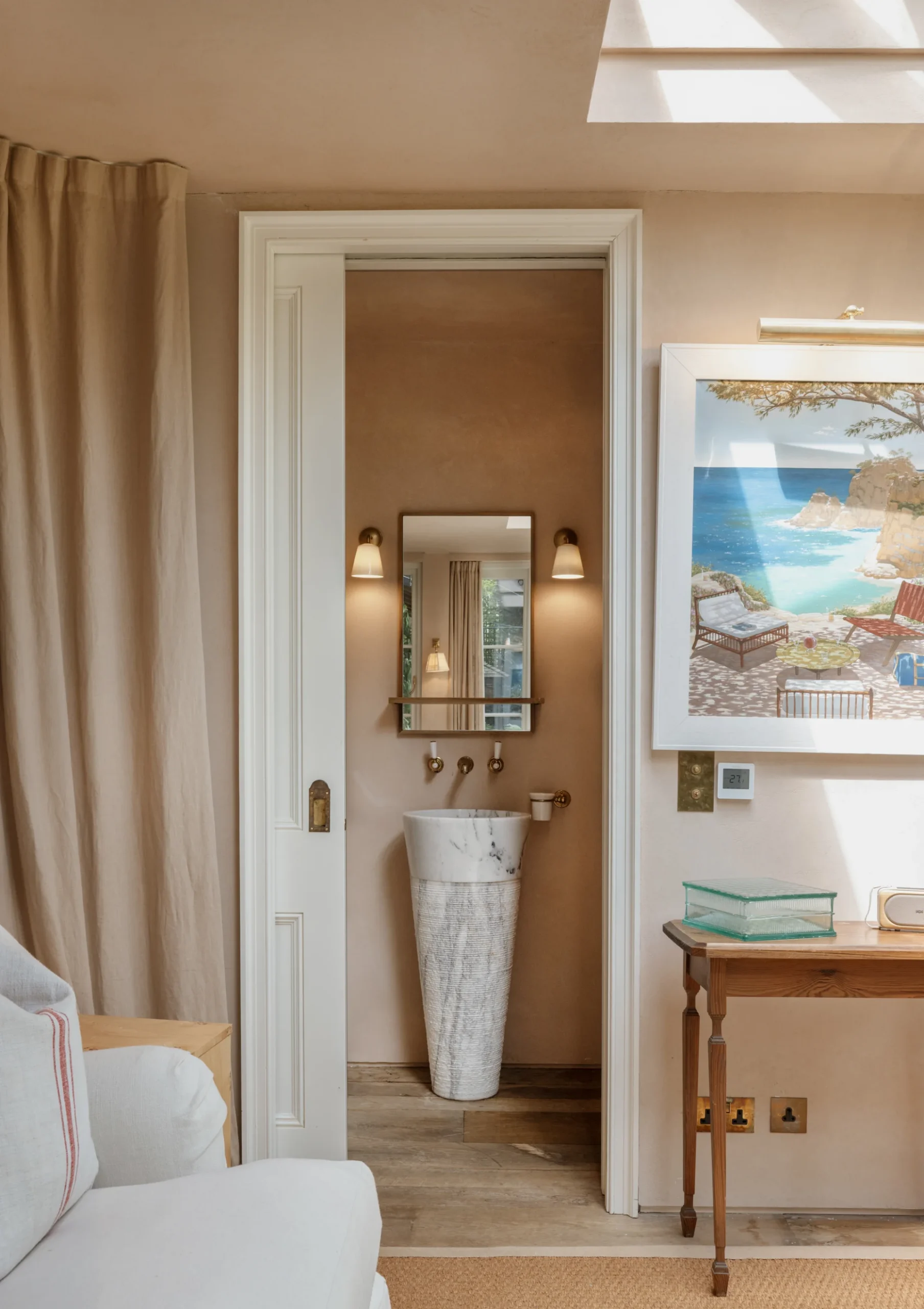
Starting with Place
Every site has its own relationship with the sun. Orientation, topography, neighbouring buildings and existing structures all influence how daylight reaches the interior. Understanding these conditions early helps establish how a building should respond to its setting.
Where does morning light arrive? Which rooms would benefit from afternoon sun? Is the priority a distant view, a private courtyard or a connection to the surrounding landscape? These questions help guide decisions about the layout, position and proportions of windows before the design takes shape.
The answer rarely lies in larger windows alone.
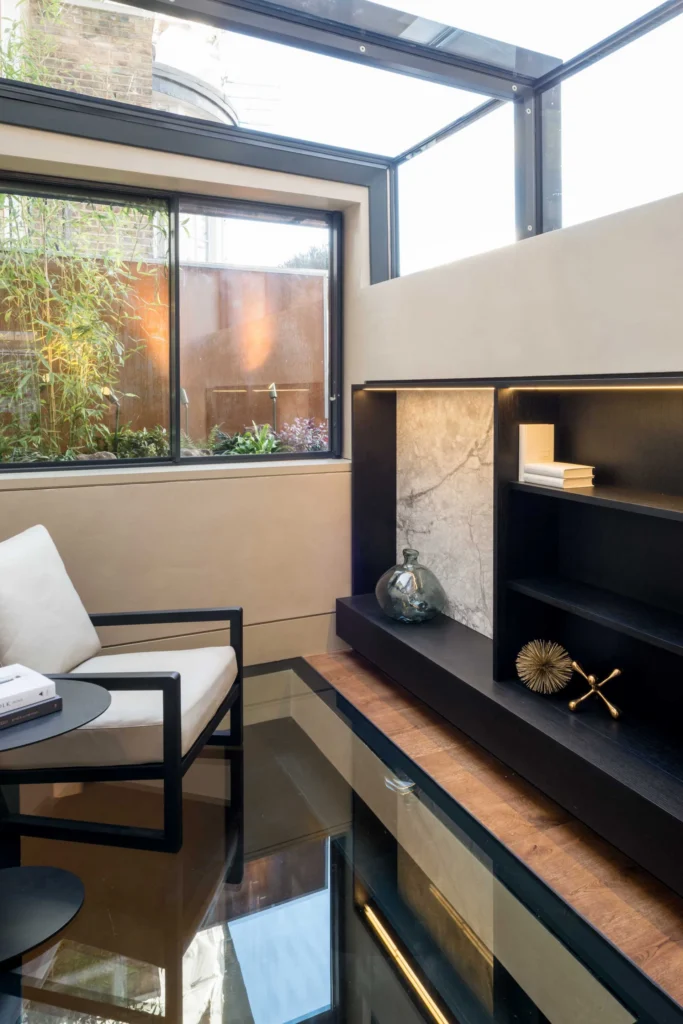
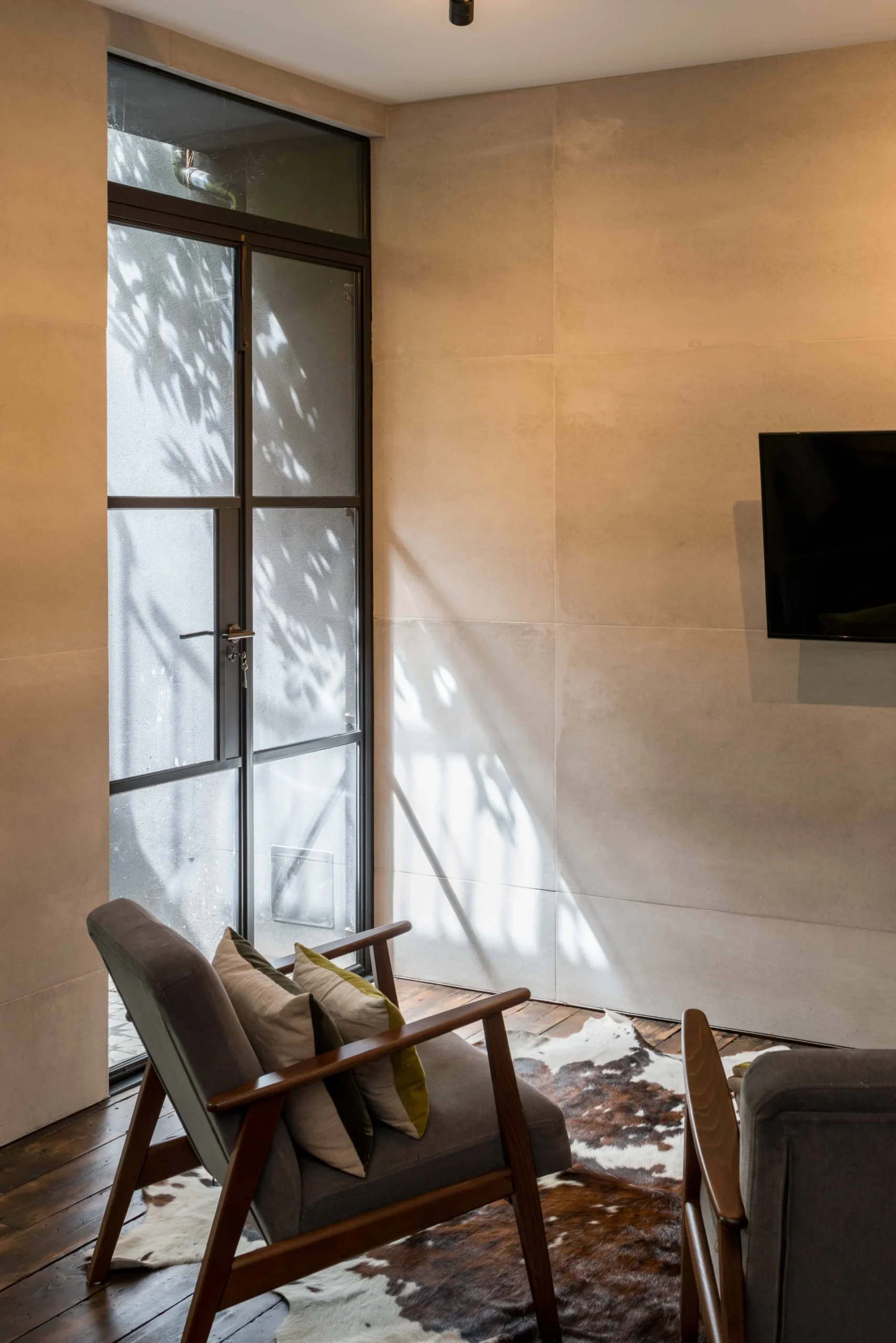
A carefully positioned opening can frame a view, draw daylight deeper into the plan or create a stronger relationship between inside and outside. A tall window may emphasise the height of a room, while a broad opening can strengthen its connection to the landscape. High-level glazing can introduce daylight while maintaining privacy, and internal openings can allow light to travel between adjoining spaces.
Each decision needs to respond to the building as a whole. Views, privacy, solar gain, thermal comfort and architectural character all have a part to play. In an existing building, original windows and established proportions may already contribute to its identity. The challenge is to improve the quality of the interior without losing what makes the building distinctive.
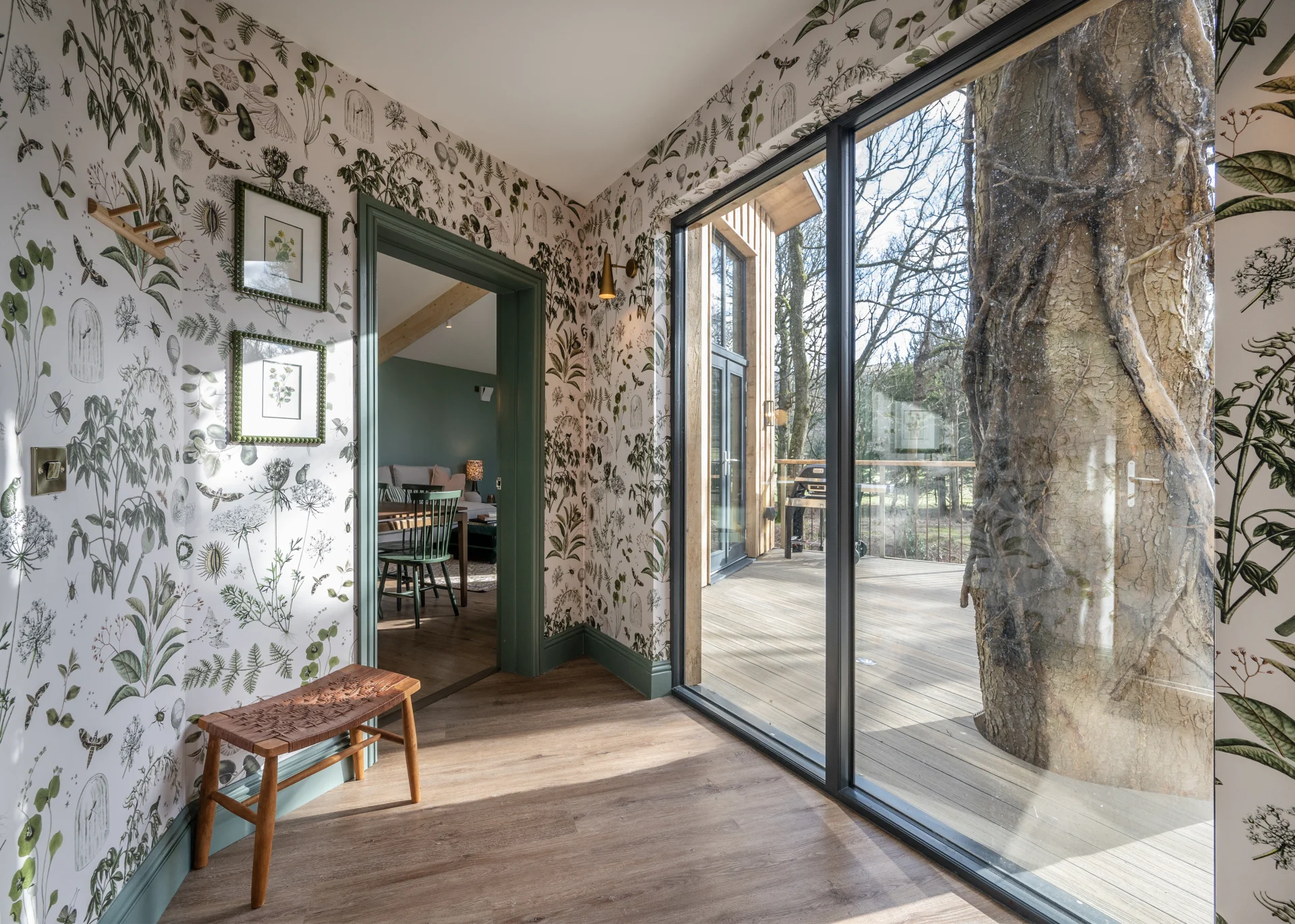
Light, Volume and the Feeling of Space
Light can change our perception of a room without changing its dimensions.
In a smaller interior, daylight reaching towards the far wall or across the ceiling can create a greater sense of depth. In a larger space, the contrast between brighter and more subdued areas can introduce definition and intimacy.
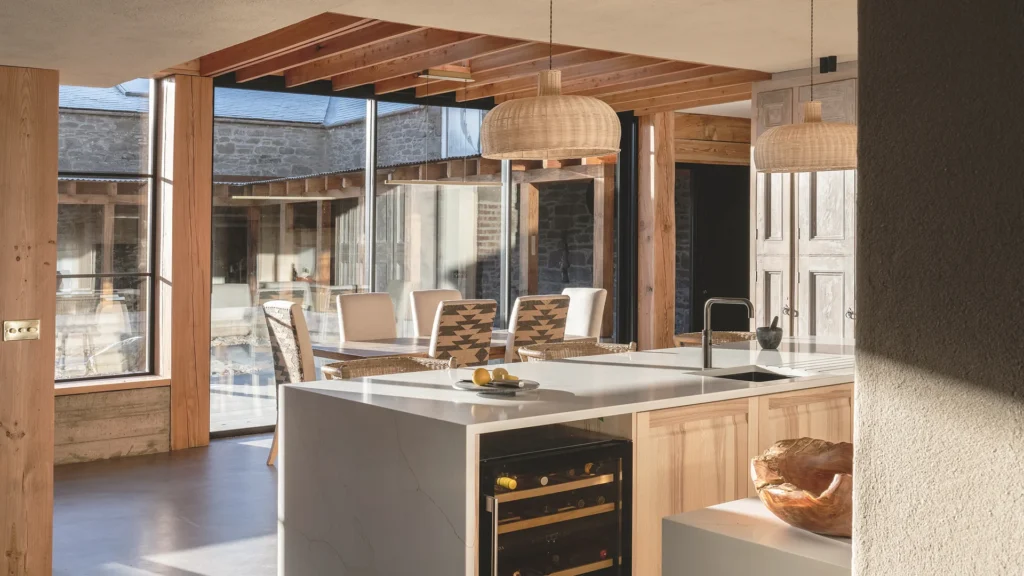
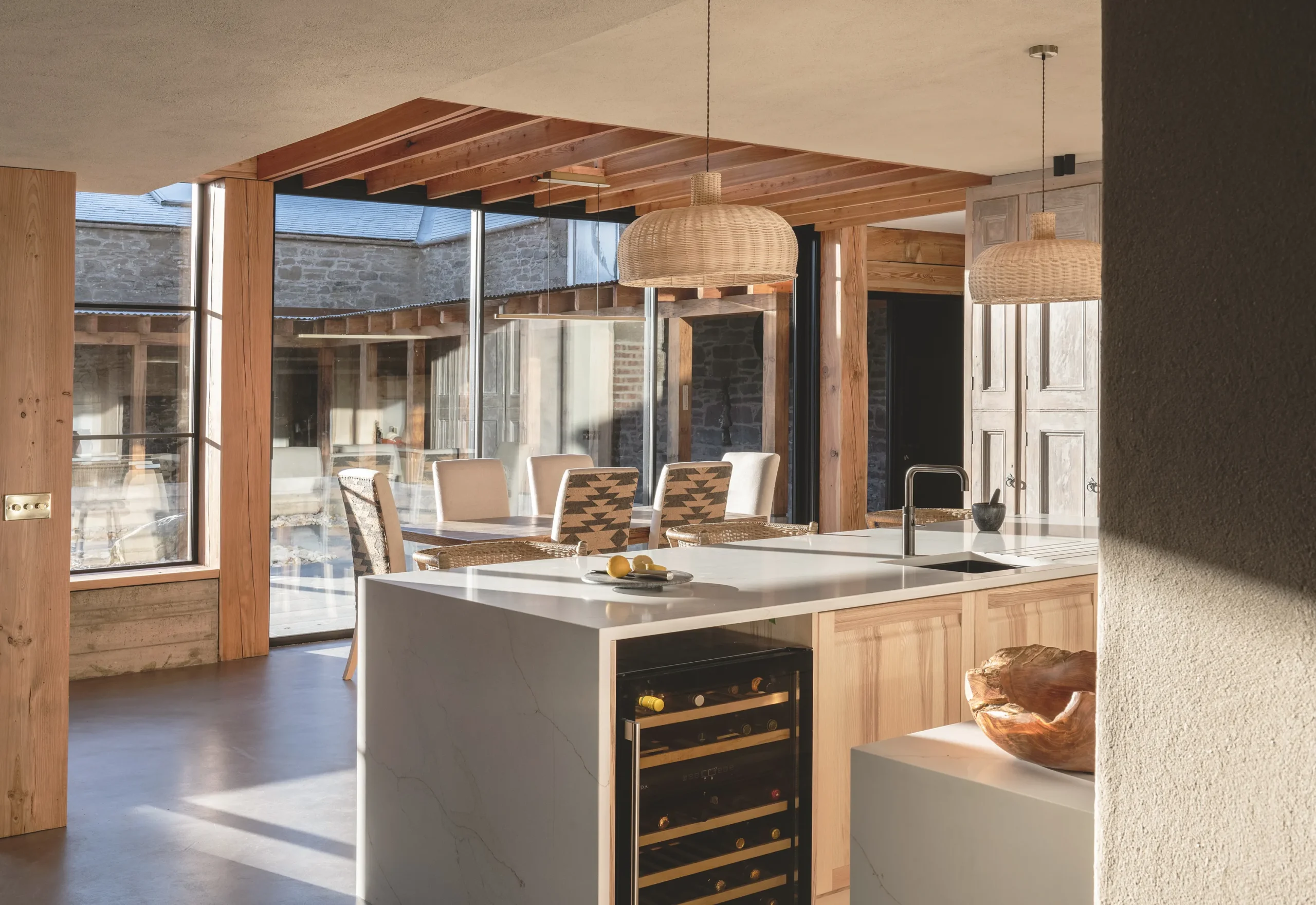
The relationship between adjoining rooms is equally important. A view through a series of spaces allows the eye to travel beyond the immediate room, while a carefully positioned doorway or opening can strengthen the connection between an existing home and an extension.
Sometimes the opportunity lies not in enlarging a room, but in changing how it connects to the spaces around it. Reworking an obstructed sightline or allowing light to pass further through the plan can transform the experience of a home without increasing its footprint.
The aim is not necessarily to make every room as bright as possible. It is to create a considered relationship between spaces, allowing each to respond to its purpose while contributing to the experience of the home as a whole.

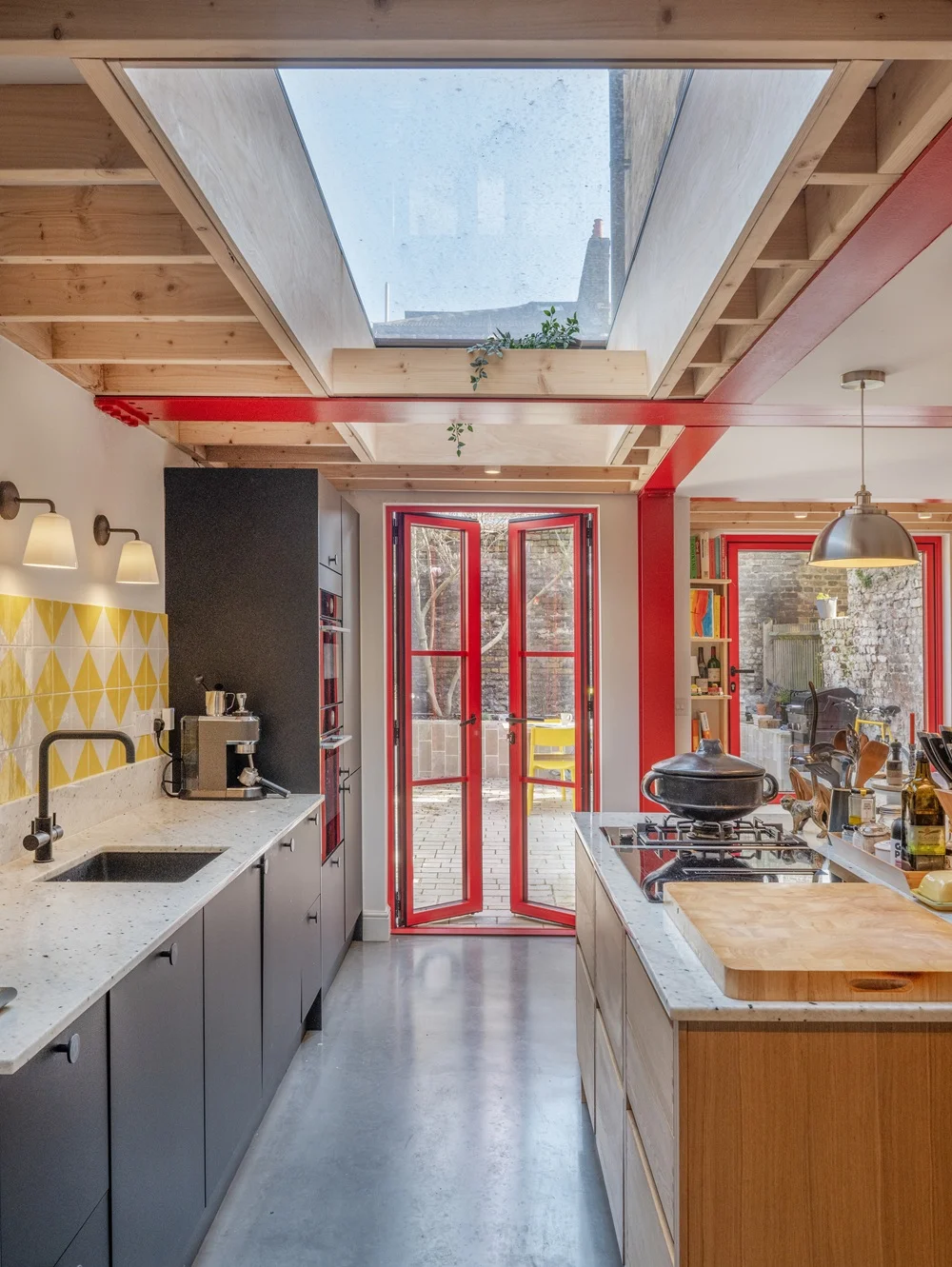

Materials and Craftsmanship
Materials are never experienced in isolation. The way they respond to light often shapes our perception of them as much as the materials themselves.
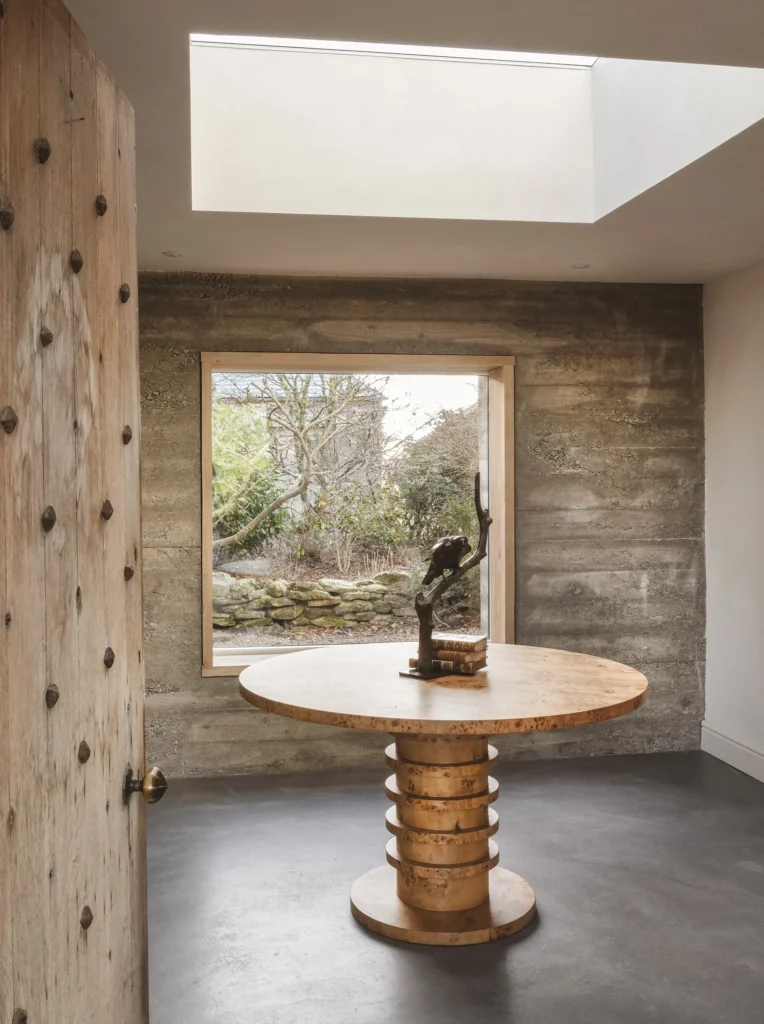
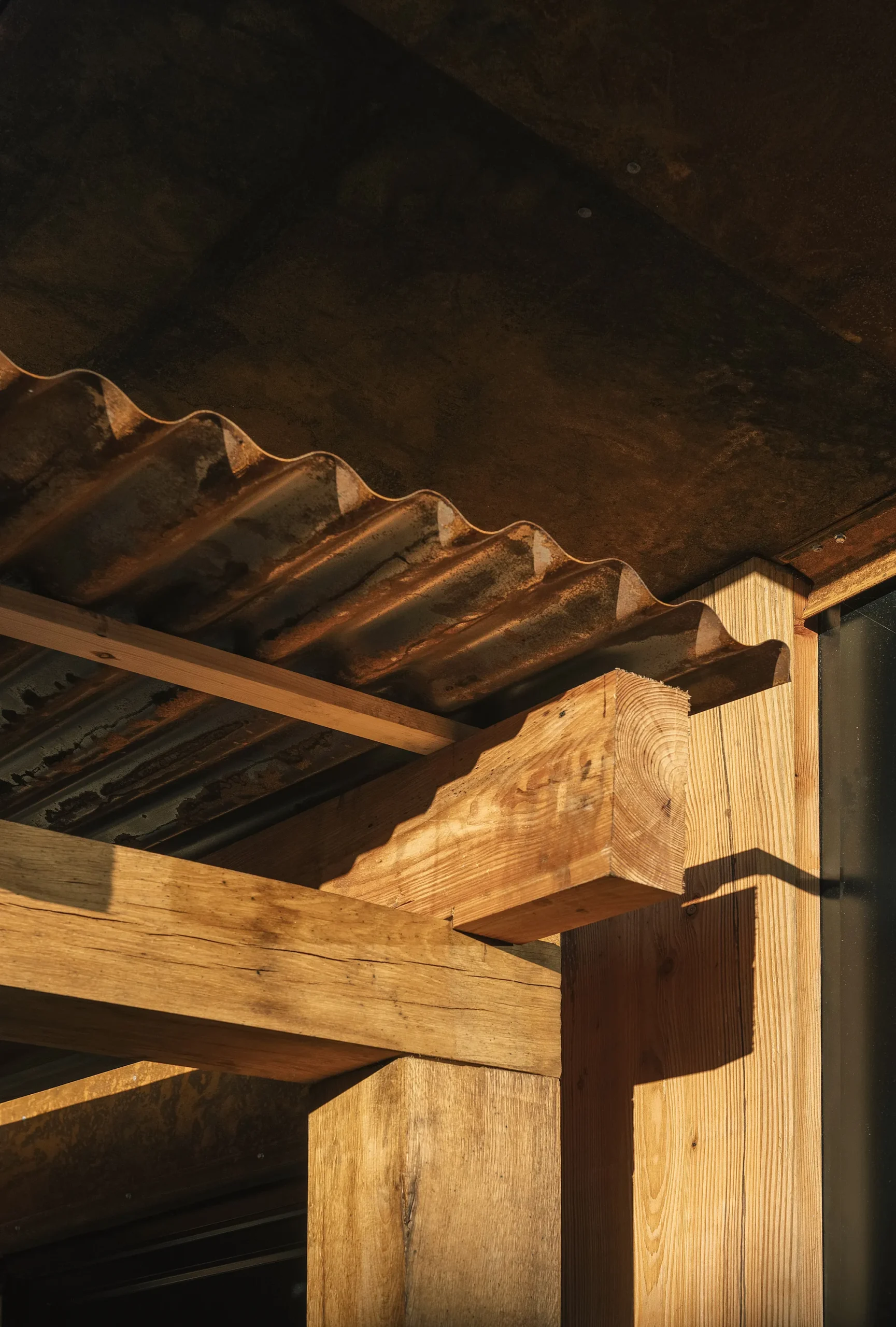
Timber, stone, brick and plaster react differently to direct and indirect illumination. Light falling across a textured surface can emphasise its depth, while softer daylight reveals subtle variations in colour and finish.
Materials can reveal considerably more depth in changing daylight than they do in a sample. The depth of a window reveal, the junction between two materials and the finish of a timber surface all influence how light is received, contributing to the character of a room as daylight shifts throughout the day.
Considering materials in the context of the finished space helps ensure they work together. Rather than relying on additional ornament, the interplay between light, texture and proportion can give an interior depth and character.
Designing for Changing Conditions
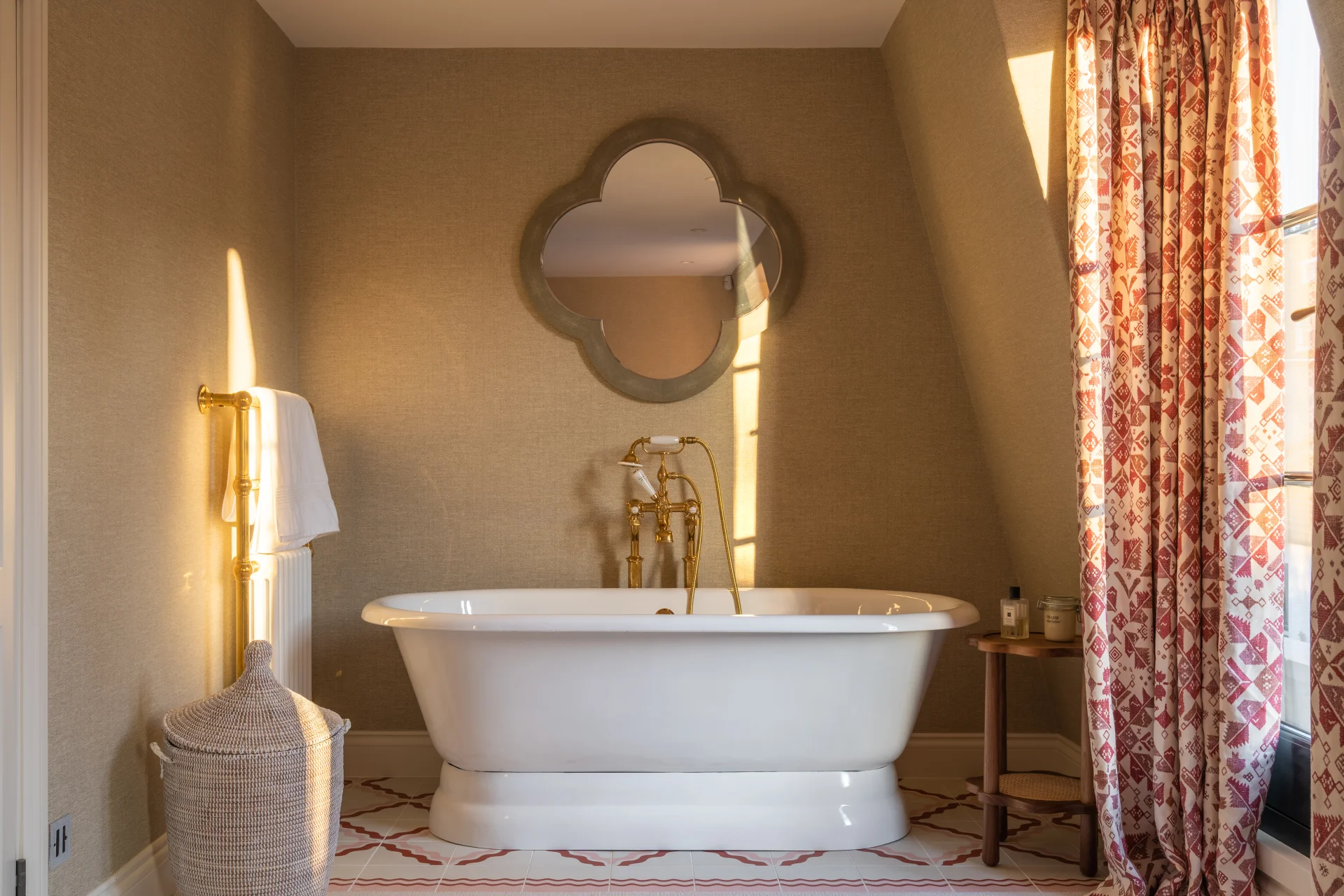
Daylight is never entirely static. Its direction and intensity shift with the time of day, the season and the weather, changing the character of the same room over time.
A home needs to work beyond the conditions of a bright afternoon. Morning light, overcast skies and shorter winter days all influence how an interior feels and functions. The position of a window that brings welcome sunlight into a living space may have a different effect in a room used for working or sleeping.
Glazing and orientation must therefore be considered alongside shading, ventilation and thermal performance. Large areas of glass can create a strong connection to the outside, but they also need to be designed carefully to manage glare and avoid overheating.
The aim is to create spaces that respond well to changing conditions, allowing daylight to become part of everyday life rather than something experienced only at certain times.
Bringing Old and New Together
Many of our projects involve adapting and extending existing buildings, where daylight can be one of the most effective ways to improve how a home works.
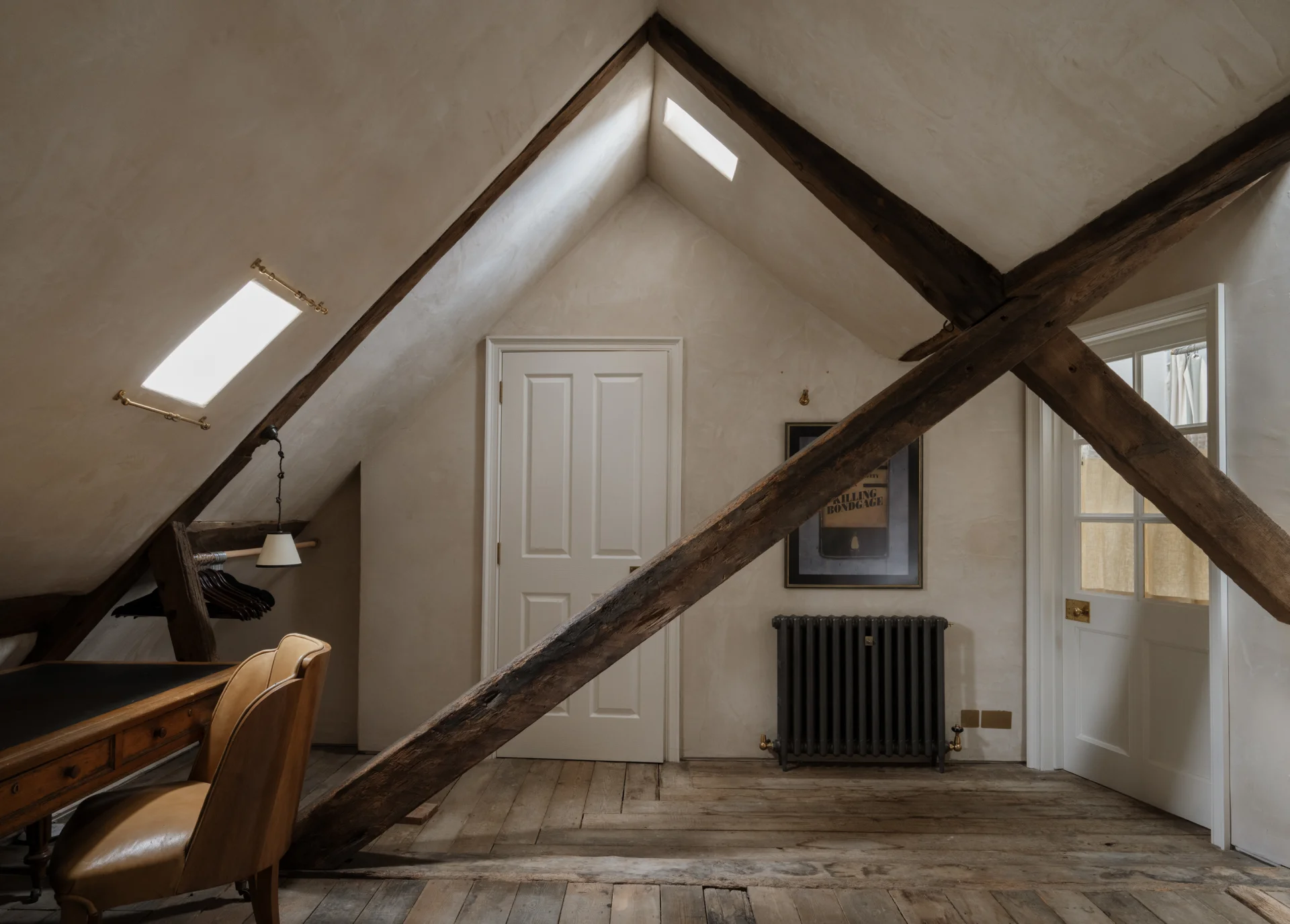
In period properties, improving the quality of daylight requires a careful understanding of the original architecture. Existing proportions, structural constraints, neighbouring buildings and heritage considerations all influence what is possible. Original features and established relationships between rooms may be central to a building’s identity, even when the way it is used has changed.
The challenge is to balance the qualities worth retaining with the needs of contemporary life. Sometimes this means introducing a carefully positioned new opening; in other cases, a sensitive reworking of the existing layout may be enough to improve the experience of the interior.
Understanding both the character of the original building and the needs of those who live in it allows new interventions to feel purposeful. Rather than treating the existing architecture as a constraint to overcome, the design can use its qualities as the starting point for change.
The most successful interventions are rarely the most dramatic. They are the ones that feel as though they belong, improving the experience of living in a home while respecting the qualities that were already there.
Designing for Everyday Experience
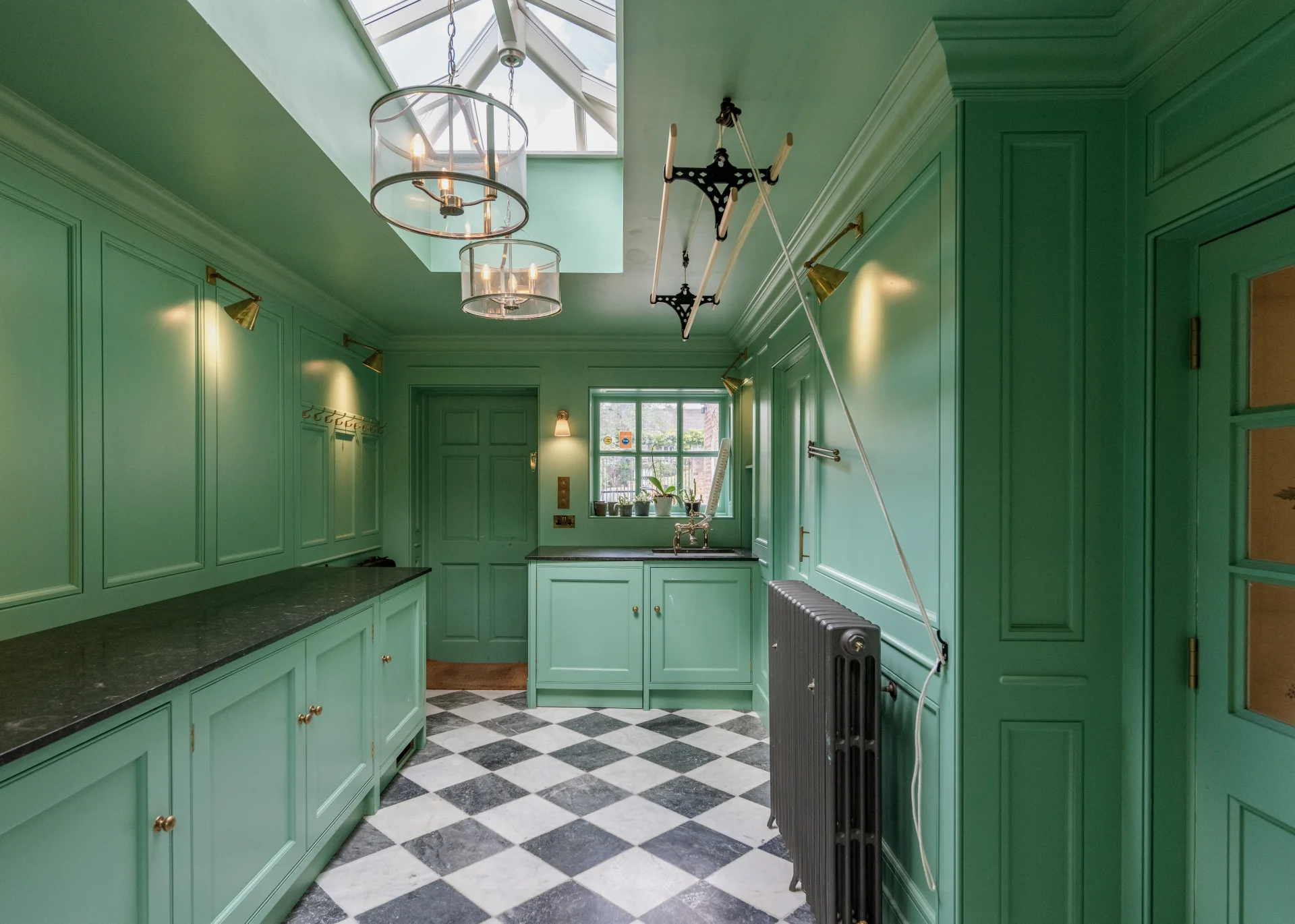
Natural light is not a feature added at the end of the design process. It emerges from the relationship between place, orientation, proportion, materials and the way a home is used.
When these elements work together, daylight does more than illuminate a room. It creates atmosphere, reveals craftsmanship and strengthens our connection to the landscape beyond.
At Mallett, we see light as part of a broader conversation about people and place. A home’s character emerges not from the amount of light it contains, but from how naturally light, landscape and daily life come together.